
- Prepare the Ingredients

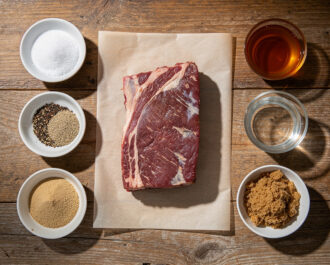
Gather all ingredients: 1 rack (4-5 lbs) of beef plate ribs, 2 tbsp coarse kosher salt, 2 tbsp coarsely ground black pepper, 1 tbsp granulated garlic, 1 tbsp onion powder, 1 tbsp brown sugar, 1 cup apple cider vinegar, and 1 cup water. In a small bowl, combine the salt, pepper, garlic powder, onion powder, and brown sugar to create your dry rub. In a spray bottle, mix the apple cider vinegar and water for your spritz. Pat the beef ribs completely dry with paper towels.
- Season & Smoke
Generously apply the dry rub to all sides of the ribs, pressing it into the meat to ensure it adheres. Let the ribs sit at room temperature for 30 minutes while you preheat your Traeger or pellet grill to 225°F, using a strong hardwood pellet like hickory or oak. Place the ribs directly on the grill grate, bone-side down. Close the lid and let them smoke undisturbed for 3 hours.
- Spritz & Continue Cooking
After the first 3 hours, open the grill and lightly spritz the ribs all over with the apple cider vinegar mixture. This will help develop the bark and keep the surface moist. Close the lid and continue cooking, spritzing the ribs every 45-60 minutes. The total cook time will be 6-7 hours. The meat will darken and the bark will become firm and crackly.
- Check for Doneness & Rest
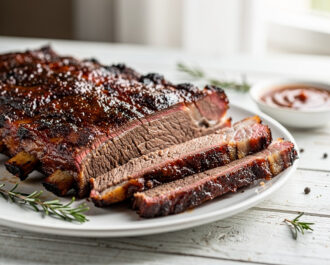
After about 6 hours, begin checking for doneness. The ribs are ready when a meat probe inserts into the thickest part between the bones with little resistance, like pushing into warm butter, and reads 203-205°F. The rack will also bend easily when lifted from the center. Once done, carefully remove the ribs from the grill, wrap them loosely in butcher paper or foil, and let them rest in a warm place for at least 45 minutes. This allows the juices to redistribute, ensuring every bite is moist.
- Calories:720 kcal
- Protein:62 g
- Carbohydrates:5 g
- Sugar:3 g
- Salt:1.8 g
- Energy:3010 kJ
- Fat:50 g
Let’s talk about that specific craving: the deep, primal need for meat so tender it surrenders to a gentle pull, with a smoky bark that crackles under the teeth and a richness that makes you close your eyes. That’s the promise a proper traeger beef ribs recipe delivers. It’s a weekend project, for sure, but one of the most rewarding in the barbecue canon. This method, using the gentle heat of a pellet grill, transforms a rugged rack into something legendary.
The Secret History of Smoked Beef Ribs
While pork ribs get most of the glory, the story of beef ribs is the tale of Texas pitmasters turning what was once considered a butcher’s scrap into a crown jewel. Instead of fast and hot, they championed the low-and-slow philosophy, letting tough connective tissue melt into pure, beefy succulence over many patient hours. It’s a triumph of technique over cut, and that spirit is at the heart of this particular traeger beef ribs recipe.
What Makes These Traeger Beef Ribs Special
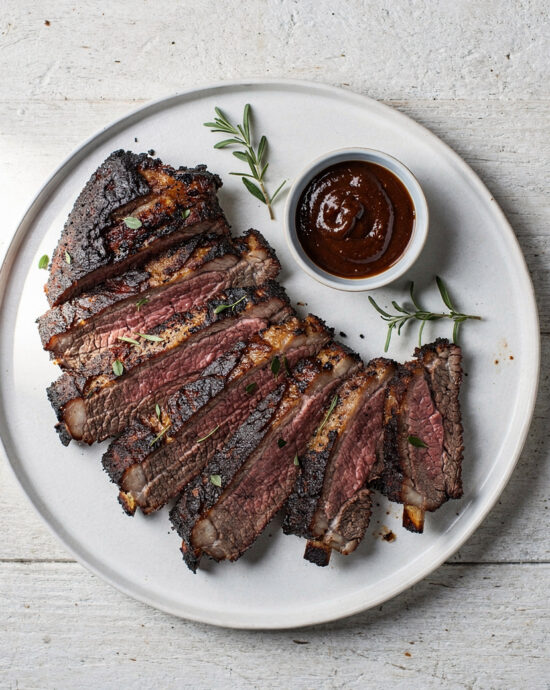
The magic here is the perfect environment a pellet grill creates. The combination of indirect heat and clean, consistent smoke builds flavor patiently without risk of burning. The result? A bark that’s dark and crusty, not charred, with smoke that whispers rather than shouts. The interior is unbelievably moist, with that sought-after “pull” where the meat just barely clings to the bone. A final, quick sear at the end adds a final layer of irresistible texture. It’s a technique that delivers incredible results for a home cook.
How to Achieve the Perfect Bark
The key is in the balance of fat, sugar, and time. A good rub with coarse pepper and a touch of brown sugar forms a foundation. But the pro-tip is spritzing. During the long cook, a simple mixture of apple cider vinegar and water, sprayed on the ribs every hour, keeps the surface just damp enough to prevent burning while helping the rub adhere and create that craggy, flavor-packed crust we’re after.
Serving & Pairing Ideas: Beyond the Basics
These ribs are a meal unto themselves, but they deserve the right supporting cast. Skip the overly sweet baked beans. Instead, try a sharp, vinegary slaw to cut the richness, or creamy, tangy potato salad. For a real showstopper, charred corn on the cob with chili-lime butter is perfection. Drink-wise, a bold, malty beer like a stout or a brown ale is fantastic, or a smoky mezcal margarita if you’re feeling adventurous. Want more inspiration? Browse our recipe collection for side dish ideas.
Variations & Substitutions
No pellet grill? You can adapt this for a standard oven (though you’ll miss the smoke) or try your hand at beef ribs on charcoal grill with an offset setup for a more hands-on, traditional smoky flavor. For the rub, swap brown sugar for coconut sugar if you’re avoiding refined sugars, or use a salt-free blend if you’re watching sodium. The spritz can be water, apple juice, or even a bit of beef broth. For a deep dive into the science of barbecue, check out the amazing resources at Serious Eats.
Make-Ahead & Storage Tips for Busy Cooks
The beauty of this method is that the active time is minimal; it’s all about the wait. You can apply the rub the night before and let the ribs rest in the fridge—this actually improves the flavor. Leftovers? They reheat beautifully. Wrap them in foil with a splash of broth and warm in a 300°F oven until hot. They also freeze remarkably well for up to 3 months.
FAQs for Your First Rib Run
Q: How do I know when the ribs are done?
A: Don’t rely on time alone. The ribs are ready when a probe thermometer slides into the meat between the bones with little to no resistance, like pushing into warm butter, and reads around 203°F-205°F.
Q: What if I don’t have a meat probe?
A: The “bend test” is a classic cue. Using tongs, lift the rack from the middle. If it bends easily and the bark starts to crack, it’s likely done.
Q: Can I cook these faster at a higher temperature?
A: You can, but you risk a tougher texture. The connective tissue needs time and low heat to break down. Patience is the non-negotiable ingredient in any great traeger beef ribs recipe.
There you have it. This isn’t just a set of instructions; it’s an invitation to create a memory. Fire up your grill, embrace the slow burn, and get ready for some of the most satisfying, flavor-packed beef you’ll ever pull off a bone. Now, who’s hungry? Tell me how yours turned out in the comments!