
- Prepare the Ingredients

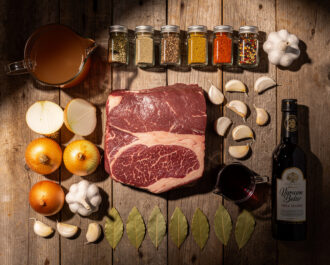
Pat the 4 lb brisket completely dry with paper towels. In a small bowl, combine 2 tbsp kosher salt, 1 tbsp black pepper, 2 tsp garlic powder, 2 tsp onion powder, and 1 tsp smoked paprika to make the dry rub. Slice 2 large yellow onions and smash 6 garlic cloves. Measure out 2 cups beef broth, 1 cup red wine, and 2 tbsp Worcestershire sauce.
- Sear the Brisket
Preheat your oven to 300°F. Heat 2 tbsp vegetable oil in a large Dutch oven over medium-high heat until shimmering. Rub the spice mixture all over the brisket. Carefully place the brisket in the hot pot, fat-side down. Sear without moving for 5-7 minutes, until a deep brown crust forms. Flip and sear the other side for another 5 minutes. Remove the brisket to a plate.
- Build the Braising Liquid
Reduce the heat to medium. Add the sliced onions to the pot, scraping up any browned bits from the bottom. Cook for 8-10 minutes until softened and beginning to caramelize. Add the smashed garlic and cook for 1 minute until fragrant. Pour in the red wine to deglaze, scraping thoroughly. Let it simmer for 2 minutes, then add the beef broth, Worcestershire sauce, and 2 bay leaves.
- Braise Low and Slow
Return the seared brisket to the pot, nestling it into the onions and liquid. The liquid should come about halfway up the sides of the meat. Bring to a gentle simmer on the stovetop, then cover tightly with a lid. Transfer the pot to the preheated 300°F oven. Braise for 3.5 to 4 hours, until the brisket is probe-tender.
- Rest, Slice, and Serve
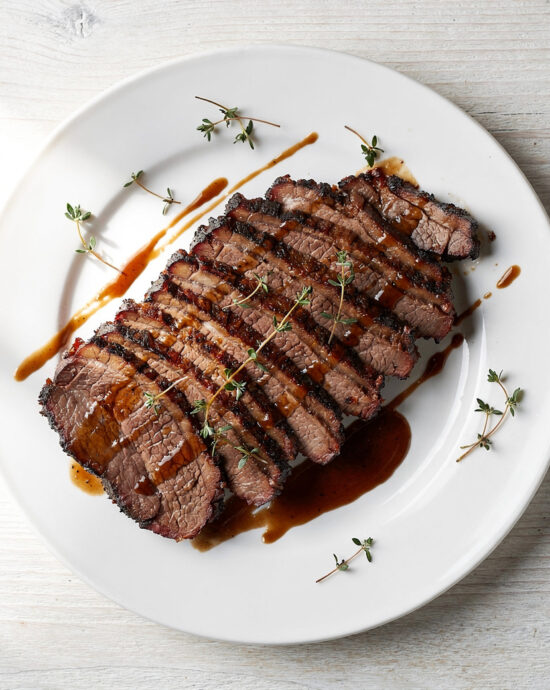
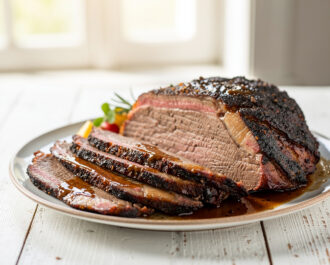
Carefully remove the pot from the oven. Transfer the brisket to a cutting board and tent loosely with foil. Let it rest for at least 30 minutes. Meanwhile, skim excess fat from the surface of the braising liquid. Strain the liquid if desired, then simmer to reduce slightly for a more concentrated sauce. Slice the brisket thinly against the grain and serve with the warm sauce.
- Calories:420 kcal
- Protein:48 g
- Carbohydrates:6 g
- Sugar:2 g
- Salt:1.2 g
- Energy:1760 kJ
- Fat:22 g
There’s a particular kind of Sunday afternoon nostalgia that can only be conjured by the warm, savory aroma of beef slowly transforming in your oven. You don’t need a fancy smoker or a full weekend to achieve it. This roasted brisket recipe is my go-to for coaxing that deep, complex flavor and a texture so tender it practically sighs when you pull it apart. It’s the ultimate comfort food project, one that rewards patience with pure, unadulterated deliciousness.
The Legend Behind This Roasted Brisket Recipe
While Texas pitmasters might stake their claim on smoked brisket, the tradition of slow-braising tough cuts of meat in the oven is a global, homespun art. This method draws from the Ashkenazi Jewish tradition of braising brisket with onions for holidays, a technique designed to transform a notoriously stubborn cut into something celebratory and sublime. It’s a story of culinary ingenuity, turning necessity into a beloved feast.
What Makes This Oven Brisket Special
The magic here is in the dual-phase cooking. We start with a hard sear to build a savory crust, then let a gentle, moist heat do the real work. As the brisket braises low and slow in the oven, the connective tissues and collagen break down completely, basting the meat from within. The result? Fork-tender slices with a rich, concentrated jus that’s pure gold. Forget dry, chewy brisket—this version is all about succulence.
The One Pro-Tip You Absolutely Need
Your most important tool for this oven brisket recipe texas-style? A good instant-read thermometer, and the discipline to use it. Brisket is done when it’s *probe-tender*, not just at a specific temperature. Start checking around 200°F. The probe should slide in and out with almost no resistance, like pushing into room-temperature butter. This tactile test is far more reliable than time alone.
Serving & Pairing Ideas
Slice this beauty against the grain for maximum tenderness. Pour that incredible braising liquid over the top. For sides, think creamy mashed potatoes or polenta to soak up the juices, and something bright like a sharp cabbage slaw or roasted carrots to cut the richness. A bold, malty brown ale or a glass of Zinfandel stands up beautifully to the deep flavors.
Variations & Substitutions
For a smokier profile without a smoker, add a teaspoon of smoked paprika to the rub. If you’re going for a true brisket in oven low and slow Texas-style, swap the broth for beef stock and add a splash of strong coffee to the braising liquid for depth. Don’t have red wine? Use more broth with a tablespoon of balsamic vinegar. For a gluten-free version, ensure your Worcestershire sauce is certified GF.
Make-Ahead & Storage Tips
Brisket tastes even better the next day. Let it cool completely in its juices, then slice and store it submerged in the liquid in an airtight container for up to 4 days in the fridge. Reheat gently, covered, in a 300°F oven until warmed through. You can also freeze the sliced meat and juice for up to 3 months.
Frequently Asked Questions
Can I use a different cut of beef?
Brisket is ideal because of its high fat and connective tissue. Chuck roast is the closest substitute, but the texture will be different.
My braising liquid is too thin. How do I thicken it?
Strain the liquid into a saucepan and simmer until reduced and slightly syrupy. For a quicker method, mix a tablespoon of cornstarch with two tablespoons of cold water, whisk into the simmering liquid, and cook until thickened.
What if I don’t have a Dutch oven?
A heavy roasting pan tightly covered with a double layer of heavy-duty foil will work in a pinch. Check out Serious Eats for more on braising essentials.
So, are you ready to fill your kitchen with that unforgettable scent? This method is less about rigid rules and more about trusting the process. Give yourself the afternoon, let the oven work its magic, and get ready for a standing ovation at the dinner table. I’d love to hear how yours turns out!