
- Prepare the Ingredients

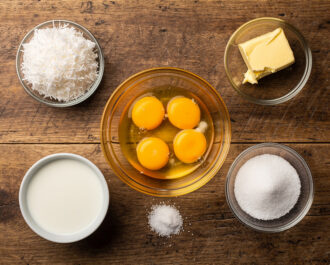
Gather all your ingredients: 10 egg yolks, 1.5 cups unsweetened shredded coconut, 1 cup granulated sugar, 5 tbsp softened unsalted butter, 1/2 cup coconut milk, and a pinch of salt. Also have extra butter and sugar ready for preparing the ramekins.
- Blend the Custard Base
In a blender, combine the egg yolks, shredded coconut, granulated sugar, softened butter, coconut milk, and salt. Blend on medium-high speed for 2-3 minutes until the mixture is completely smooth, creamy, and homogenous. You should see no lumps.
- Rest and Prepare Molds
Pour the blended custard into a pitcher or bowl, cover tightly, and refrigerate for at least 2 hours (or overnight). Meanwhile, generously grease eight 4-oz ramekins with softened butter, then coat the inside with a thin layer of granulated sugar, tapping out any excess.
- Bake to Golden Perfection
Preheat your oven to 350°F (175°C). Skim any bubbles off the top of the rested custard, then divide it evenly among the prepared ramekins. Place the ramekins in a deep baking dish and fill the dish with hot water until it reaches halfway up the sides of the ramekins. Bake for 40-45 minutes, until the tops are a deep, glossy gold and the center jiggles just slightly when gently shaken.
- Cool and Unmold
Carefully remove the baking dish from the oven. Let the quindim cool in the water bath for 10 minutes, then transfer the ramekins to a wire rack to cool completely to room temperature. To serve, run a thin knife around the edge of each ramekin, place a small plate on top, and invert with confidence.
- Calories:320 kcal
- Protein:4 g
- Carbohydrates:32 g
- Sugar:28 g
- Salt:0.04 g
- Energy:1340 kJ
- Fat:21 g
Do you ever have that dream of finding a dessert that looks like it’s filled with sunshine and tastes like pure joy? For years, I did, until a friend brought a small, trembling, sun-yellow custard to a party. It was love at first bite. I knew I had to master the real thing. And after a few delightful (and sometimes messy) trials, I’m thrilled to share my go-to quindim recipe with you. This isn’t just a sweet; it’s a tiny, edible ray of Bahian sunshine.
The Story Behind This Quindim Recipe
Like many of Brazil’s best creations, quindim has roots that are both local and global. It was in the northeastern state of Bahia—where coconut palms sway and sugarcane grows—that African culinary techniques, using egg yolks leftover from using the whites for other purposes, met Portuguese baking traditions and local flavors. The result? This brilliant, upside-down gem. The name itself comes from the Kimbundu word “kijinde,” meaning “the gestures or charms of a young girl.” I like to think it’s a nod to its captivating, almost flirtatious beauty.
Why This Brazilian Coconut Candy is a Showstopper
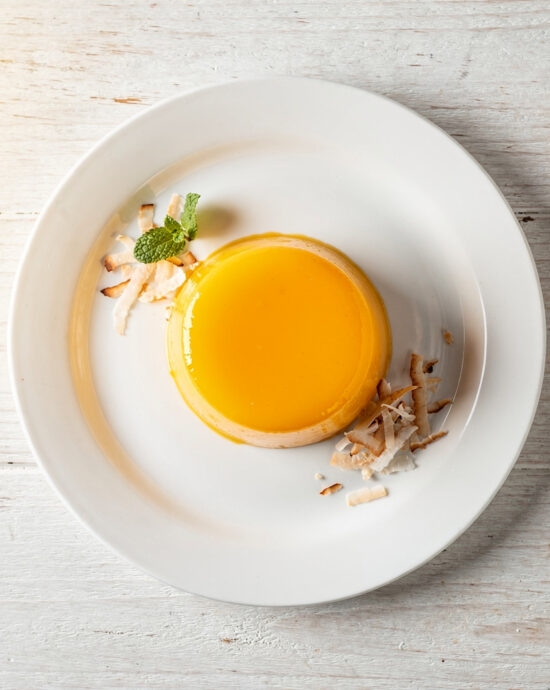
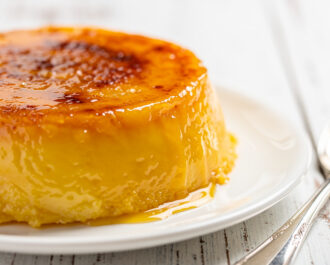
What makes a great brazilian coconut candy? It’s all about the delicate balance. The top should be a deep, gleaming, mirror-like golden shell. Dig in, and you get a rich, densely creamy custard infused with the sweet, toasted perfume of coconut, punctuated by the occasional tender chew of shredded flakes. It’s sweet, but not cloying; rich, but somehow still light. My version of this coconut brazilian dessert gets that perfect texture by focusing on one non-negotiable step.
The Pro-Tip for Your Quindim Recipe Success
Patience is your secret weapon. After you blend the mixture, you must let it rest in the fridge for at least two hours (overnight is even better). This waiting period is magic: it allows the flavors to marry completely and, more importantly, lets any tiny air bubbles rise to the top. Skimming those off before baking is what guarantees that utterly smooth, glass-like surface we’re all chasing. Trust me, it’s the difference between good and absolutely stunning.
Serving Your Golden Masterpiece
Traditionally, these little wonders are unmolded while still warm so the caramelized coconut sugar from the bottom forms a delicate, sticky topping. Serve them at room temperature. I love pairing a quindim with a tiny, potent cup of black coffee—the bitterness cuts the sweetness perfectly. For a real treat, add a small dollop of softly whipped cream or a scoop of tart passion fruit sorbet. It’s a celebration on a plate.
Variations & Clever Substitutions
While the classic quindim recipe is perfection, there’s room to play. For a “Quindim de Yayá,” line your molds with extra shredded coconut before adding the custard for a stronger texture. If you’re dairy-free, simply replace the butter with a neutral-flavored oil. Feeling adventurous? Infuse the coconut milk with a pandan leaf for an aromatic twist, or add a teaspoon of citrus zest to the mix. The core of this Brazilian coconut candy is wonderfully adaptable.
Make-Ahead & Storage Wisdom
This is a brilliant dessert for planning ahead. You can prepare the custard mixture up to two days in advance and keep it covered in the fridge until you’re ready to bake. Once baked and cooled, quindim stores beautifully in an airtight container in the refrigerator for 4-5 days. The flavors actually deepen. I do not recommend freezing, as it can compromise that perfect custard texture.
Your Quindim Recipe Questions, Answered
My quindim stuck to the ramekin! How do I prevent that?
The key is thorough greasing. Use soft, not melted, butter and coat every single nook and cranny of the mold. A light dusting of granulated sugar after the butter creates a non-stick barrier and adds a slight crunch.
Can I use sweetened shredded coconut?
You can, but you’ll need to reduce the granulated sugar in the recipe by about 2-3 tablespoons to account for the added sweetness. I prefer unsweetened for better control over the final flavor.
Why is there sometimes a layer of clear liquid at the bottom?
This usually means the custard was either under-baked or the oven temperature was too low. Ensure your oven is properly preheated and bake until the center is just set with a slight, confident jiggle—not a sloshy wave. For more fantastic deep-dives into recipe science, check out the experts at Serious Eats.
There you have it—your passport to one of Brazil’s most beloved sweets. This quindim recipe is a project of love, but every single step is worth it when you see that golden dome shimmering on your counter. It’s a dessert that tells a story with every bite. So, preheat that oven, butter those molds, and get ready to make something truly special. I can’t wait to hear how yours turns out! Be sure to explore our recipe collection for more inspired ideas.