
- Prepare the Ingredients

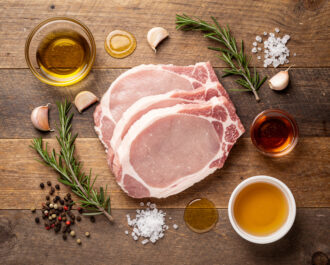
Gather all ingredients: 4 bone-in pork chops (1 inch thick), 2 tbsp olive oil, 4 garlic cloves (minced), 2 tbsp fresh rosemary (chopped), 1 tsp salt, 1/2 tsp black pepper, 1 tbsp apple cider vinegar, and 1 tsp honey.
- Create the Herb Rub
In a small bowl, combine the minced garlic, chopped rosemary, olive oil, apple cider vinegar, honey, salt, and black pepper. Mix until it forms a coarse paste. This mixture will be used to coat the pork chops.
- Sear the Pork Chops
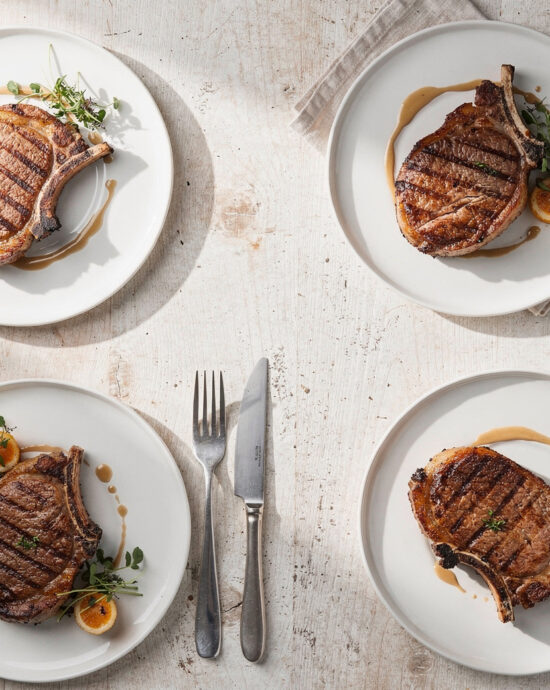
Pat the pork chops dry with paper towels. Rub the herb paste evenly over both sides of each chop. Heat a large skillet over medium-high heat. Once hot, add the pork chops and sear for 4-5 minutes per side, or until a golden crust forms and the internal temperature reaches 145°F. Avoid moving them too much to ensure a good sear.
- Rest and Serve
Transfer the cooked pork chops to a plate and let them rest for 5 minutes. This allows the juices to redistribute, ensuring moist and flavorful meat. Serve immediately with your favorite sides.

- Calories:250 kcal
- Protein:30 g
- Carbohydrates:5 g
- Sugar:3 g
- Salt:0.5 g
- Energy:1046 kJ
- Fat:12 g
There’s something deeply satisfying about the sizzle of a pork chop hitting a hot skillet. It’s a sound that promises comfort, and for years, I’ve been on a quest to perfect my pork chop recipes. The key, I’ve found, is in the crust—a golden, flavorful barrier that seals in all those juicy juices. Today, I’m sharing my go-to method for creating a dish that’s both healthy and utterly delicious. It all starts with a simple garlic-herb rub that transforms an everyday cut into something special.
A Brief History of Pork Chops in America
Pork chops have been a staple on American tables since the colonial days, often served with apples or sauerkraut. This recipe nods to that tradition but lightens it up for modern palates, focusing on fresh herbs and minimal oil.
Why These Pork Chop Recipes Work
What sets this preparation apart is the double-layer of flavor. First, a dry brine with salt and herbs penetrates the meat, ensuring every bite is seasoned throughout. Then, a quick sear creates that irresistible crispy crust, while the inside remains tender and moist. It’s a technique I learned from Serious Eats, and it never fails.
Mastering the Herb Crust
The garlic-herb rub is the star here. Fresh rosemary and minced garlic, combined with a touch of honey and apple cider vinegar, create a paste that caramelizes beautifully in the pan. This condiment adds a bold, aromatic punch without overpowering the pork.
The Pro-Tip: Let Them Rest
Here’s my aha moment: I used to slice into my chops right away, only to watch all the juices run out. Now, I always let them rest for at least five minutes after cooking. This allows the fibers to relax and reabsorb those flavorful juices, ensuring each bite is succulent. This tip is crucial for all pork chop recipes.
Serving & Pairing Ideas
These pork chops are versatile. I love serving them with a simple arugula salad or roasted sweet potatoes. For a drink pairing, a crisp white wine like Sauvignon Blanc cuts through the richness beautifully. Moreover, a side of garlic sautéed spinach adds a healthy green element.
Variations & Substitutions
If you’re exploring different pork chop recipes, try using thyme instead of rosemary, or add a pinch of smoked paprika for a deeper flavor. For a dairy-free version, ensure your honey is pure and skip any butter finishes. This dish is naturally gluten-free, making it suitable for many diets.
Make-Ahead & Storage Tips
You can prepare the herb rub up to a day in advance and store it in the fridge. After cooking, leftover chops keep well in an airtight container for up to three days. Reheat gently in a skillet to maintain the crust. This make-ahead strategy is a game-changer for busy cooks.
FAQs
Can I use boneless pork chops? Absolutely! Just reduce the cooking time by a minute or two, as boneless chops cook faster.
What if I don’t have fresh rosemary? Dried rosemary works in a pinch, but use half the amount since it’s more concentrated.
How do I know when the pork is done? Use a meat thermometer! The USDA recommends an internal temperature of 145°F for pork. This ensures safety and perfection in your pork chop recipes.
Ready to Cook?
I hope this recipe inspires you to fire up the skillet and enjoy the process. There’s nothing like a perfectly cooked pork chop to make a weeknight feel special. Give it a try, and let me know how it turns out in the comments! For more inspiration, check out our recipe collection.