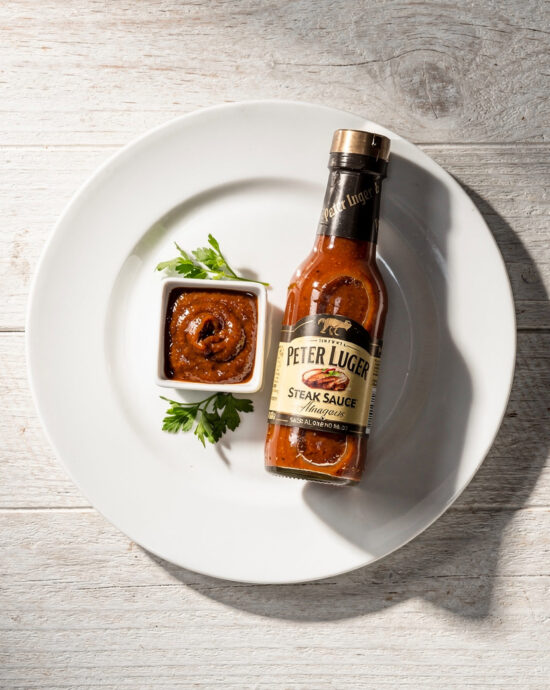

- Prepare the Ingredients

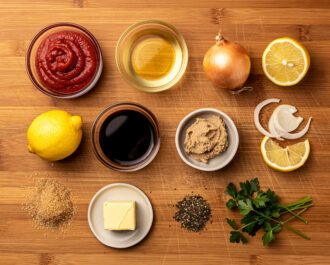
Gather all your ingredients: 1 cup tomato puree, 1/2 cup white wine vinegar, 1/4 cup water, 2 tbsp Worcestershire sauce, 1 tsp anchovy paste, 1/4 cup finely grated yellow onion, 1 tbsp fresh lemon juice, 2 tbsp packed light brown sugar, 1/2 tsp ground black pepper, 4 tbsp cold unsalted butter (cut into small cubes), and 1 tbsp finely chopped fresh parsley. Having everything measured and ready makes the process smooth and fast.
- Simmer the Base
In a medium saucepan, combine the tomato puree, white wine vinegar, water, Worcestershire sauce, anchovy paste, grated onion, lemon juice, brown sugar, and black pepper. Whisk everything together until completely smooth. Place the saucepan over medium-high heat and bring the mixture to a simmer. Once bubbling, reduce the heat to low to maintain a gentle simmer.
- Reduce and Develop Flavor
Let the sauce simmer gently, stirring occasionally, for about 15-20 minutes. You'll notice it will thicken slightly and darken in color. It's ready when it can coat the back of a spoon and the raw vinegar smell has mellowed, leaving a rich, sweet-and-savory aroma. Remove the saucepan from the heat entirely.
- Emulsify with Butter
Allow the sauce to cool for just one minute off the heat—it should still be very warm. Add the cold, cubed butter. Using a fork or small whisk, whisk vigorously and continuously until all the butter is fully melted and incorporated into the sauce. The mixture will become glossy, smooth, and slightly thickened. This creates the perfect, velvety emulsion.
- Finish and Serve
Stir in the freshly chopped parsley. Taste and adjust seasoning if needed, though it likely won't require any salt due to the Worcestershire and anchovy. Let the sauce cool to room temperature before serving. It will continue to thicken as it cools. Transfer to a serving dish or jar. Serve alongside your favorite grilled steak, burgers, or as a dipping sauce.
- Calories:70 kcal
- Protein:0.5 g
- Carbohydrates:6 g
- Sugar:5 g
- Salt:0.15 g
- Energy:293 kJ
- Fat:6 g
I remember the first time I tried to dissect that legendary Brooklyn steakhouse flavor at home. I grilled a beautiful ribeye to perfection, let it rest, sprinkled it with salt… and then felt something was missing. It wasn’t the beef. It was that sharp, sweet, and buttery punch—the secret handshake of the steak world. That’s when I became obsessed with making the genuine **peter luger steak sauce** at home. You can buy the bottled version, of course, but where’s the pride in that? This recipe cracks the code, delivering the same addictive, complex condiment that balances a sweet tang with a deep, savory umami kick. It’s a game-changer.
The Legend Behind the Peter Luger Steak Sauce
Stepping into the hallowed halls of Peter Luger Steakhouse in Brooklyn is a culinary rite of passage. Since 1887, it’s been a temple of beef, and for decades, its signature sauce has been served in unlabeled bottles, its recipe a fiercely guarded secret. The lore is thick enough to cut with a knife. Patrons whisper about the blend, trying to guess its components between bites of porterhouse. Is it Worcestershire? Is it ketchup? The beauty is in its simplicity masking complexity—a few humble ingredients transformed into something greater than the sum of its parts. This mixture isn’t just a topping; it’s an institution.
Unlocking the Iconic Flavor Profile
What makes this sauce so special isn’t a mystery ingredient, but a masterful balance. It’s not overly thick or gloppy. Instead, it has a loose, silky-smooth consistency that clings to the meat without drowning it. The flavor hits you in waves: first, a bright, vinegary tang, followed by a molasses-like sweetness, and finally, a lingering, savory depth from the anchovies and spices. It’s bold without being aggressive, sweet without being cloying. This homemade version captures that exact dance of flavors. The key? Don’t rush the simmer. Let those flavors marry and deepen into something truly legendary.
A Pro-Tip for the Perfect Emulsion
Here’s my “aha!” moment that changed everything: temperature control. When you add the cold butter at the end, the sauce must be off the heat, but still very warm. If it’s too hot, the butter will melt into oily puddles. If it’s too cool, it won’t incorporate properly. You’re aiming for a creamy, slightly thickened emulsion where the butter is fully integrated, giving the sauce its signature lush mouthfeel. I whisk vigorously with a fork until the sauce looks uniformly glossy and velvety. This small, patient step is what elevates a good sauce into a great one. For more fantastic technique deep-dives, I always trust the team at Serious Eats.
Serving & Pairing: Think Beyond the Steak
While it was born for a dry-aged porterhouse, this condiment is wildly versatile. Obviously, slather it on grilled ribeyes, strips, or filets. But don’t stop there. It’s phenomenal as a dipping sauce for crispy fries or onion rings. Try a dollop on a burger, or mix a spoonful into meatloaf glaze. For a drink pairing, a bold Cabernet Sauvignon or a malty brown ale can stand up to its robust character. My favorite unexpected pairing? Drizzle it over roasted Brussels sprouts—the sweet acidity cuts through the caramelized bitterness beautifully.
Variations & Clever Substitutions
While purists will want the classic, kitchens are for experimenting. For a smoother texture, you can blend the finished sauce until completely uniform. Need it gluten-free? Ensure your Worcestershire sauce is certified GF. For a slightly smokier note, add a tiny pinch of smoked paprika. If you’re out of white wine vinegar, apple cider vinegar makes a fine, slightly fruitier substitute. Don’t have anchovy paste? Mince one oil-packed anchovy fillet until it’s a paste. The goal is the same balanced, savory-sweet flavor profile, so adjust to your pantry and palate.
Make-Ahead & Storage Wisdom
The good news? This sauce gets better with a little rest. Make it a day ahead, let it cool completely, and store it in a clean glass jar in the refrigerator. The flavors will meld and deepen overnight. It will keep beautifully for up to two weeks. The butter will solidify when chilled, so simply let the jar sit at room temperature for 20-30 minutes before serving, then give it a good stir or shake. I never reheat it, as it can break the emulsion. Room temperature is perfect for serving.
Your Peter Luger Steak Sauce Questions, Answered
Can I use dried herbs instead of fresh? I don’t recommend it for the parsley. The fresh herb adds a crucial bright, green note that dried simply can’t replicate. It’s a finishing flavor.
My sauce seems too thin. What did I do wrong? You likely didn’t simmer it long enough to reduce and concentrate. Return it to a very low simmer and let it bubble gently, stirring often, until it coats the back of a spoon.
Is there a substitute for the butter to make it dairy-free? Absolutely. For a rich, dairy-free version, try using a neutral-flavored oil like avocado oil. The texture will be slightly different, but the core flavors will still shine.
There you have it—the secret’s out, and your steak nights are about to be permanently upgraded. Making this iconic **peter luger steak sauce** is a small act of kitchen magic that pays off in huge, flavor-packed dividends. It connects your home dinner to a century of culinary history with every savory, sweet, and tangy bite. Now, go preheat your grill, gather your ingredients, and get ready for some seriously happy eaters. I’d love to hear how yours turns out in the comments below, or browse our recipe collection for your next project!