
- Prepare the Ingredients

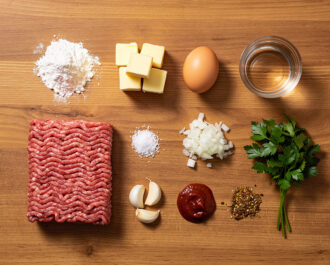
Gather 3 cups all-purpose flour, 1 tsp salt, 4 tbsp cold cubed butter, 1 egg, 2 tbsp cachaça or vodka, and 3/4 cup warm water for the dough. For the filling, have ready 1 lb lean ground beef, 1 finely diced yellow onion, 3 minced garlic cloves, 2 tbsp tomato paste, 1 tsp ground cumin, 1 tsp paprika, 1 tbsp white wine vinegar, and 1/4 cup chopped fresh parsley. Finally, measure about 6 cups of neutral frying oil into a heavy, deep pot.
- Make the Dough
In a large bowl, whisk together the flour and salt. Work the cold butter into the flour with your fingertips until the mixture resembles coarse crumbs. In a separate small bowl, whisk the egg, cachaça (or vodka), and warm water. Make a well in the flour mixture and pour in the wet ingredients. Stir with a fork until a shaggy dough forms, then turn out onto a lightly floured surface and knead gently for 2-3 minutes until smooth and elastic. Form into a ball, wrap in plastic, and let rest at room temperature for 30 minutes.
- Cook the Filling
While the dough rests, cook the filling. In a large skillet over medium-high heat, cook the ground beef, breaking it up with a spoon, until no longer pink. Add the diced onion and cook until softened, about 5 minutes. Stir in the garlic, tomato paste, cumin, and paprika, cooking for another minute until fragrant. Remove from heat and stir in the white wine vinegar and chopped parsley. Season with salt to taste, then transfer to a bowl to cool completely.
- Assemble and Seal
Divide the rested dough into 10 equal pieces. On a floured surface, roll one piece into a thin circle about 6 inches in diameter. Place 2-3 tablespoons of the cooled filling on one half, leaving a 1/2-inch border. Moisten the edges with a little water, fold the other half over to create a half-moon, and press firmly to seal. Use the tines of a fork to crimp the edges tightly. Repeat with the remaining dough and filling, placing the sealed pastéis on a parchment-lined tray.
- Fry to Golden Perfection
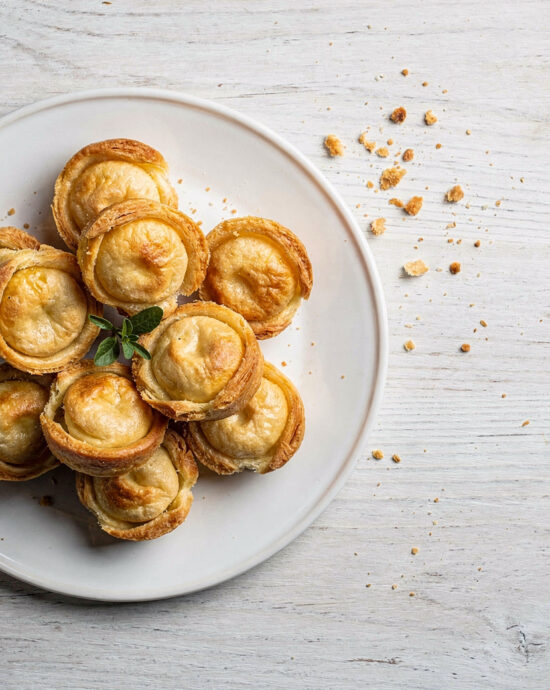
In your heavy pot, heat the oil over medium heat to 375°F. Carefully lower 2-3 pastéis into the hot oil. Fry for 2-3 minutes per side, flipping once, until they are puffed and a deep, golden brown. Use a slotted spoon to transfer them to a wire rack set over a baking sheet to drain. Let the oil return to temperature between batches. Serve your pastel de marias immediately while hot and crisp.
- Calories:320 kcal
- Protein:12 g
- Carbohydrates:30 g
- Sugar:1 g
- Salt:0.5 g
- Energy:1340 kJ
- Fat:17 g
You know that specific craving? The one for something crispy on the outside, impossibly warm and savory on the inside, that you can eat with one hand while laughing with friends? That, my friend, is the siren call of the pastel de marias. Forget everything you think you know about fried dough. This little Brazilian pocket of joy, found at every corner lanchonete and bustling street market, is a world of its own. The goal here isn’t just a recipe—it’s to capture that magic in your own kitchen. I used to think nothing could beat the ones from my favorite food cart, until I perfected this version.
The Legend Behind Pastel de Marias
Every great street food has a story, and this one is deliciously ambiguous. Some say the name ‘Marias’ is a tribute to a specific vendor from decades past, whose recipe was so good it became the standard. Others claim it’s a nod to the communal, everywoman spirit of the dish—made by and for Marias everywhere. Whatever its origin, its legacy is clear: a simple, portable, and deeply satisfying snack that fuels conversations from Rio to São Paulo. It’s the edible equivalent of a warm welcome.
What Sets This Version Apart
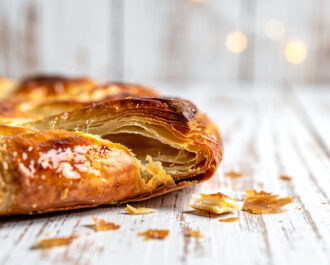
The soul of a great pastel lies in its textural duality. It has to shatter audibly with the first bite, then give way to a soft, steamy filling. My version achieves this through a simple, workable dough enriched with a touch of cachaça (or vodka), which inhibits gluten development for an even more delicate, blistered crust. The filling is a classic savory ground beef and onion medley, but the key is a dash of white wine vinegar stirred in at the very end—it lifts the entire flavor profile with a bright, almost mysterious acidity.
The Pro-Tip for Perfect Pastel de Marias
Temperature is your best friend and your worst enemy. The oil must be perfectly still and shimmering at 375°F. Use a thermometer; guessing will betray you. A drop of dough should bubble vigorously and rise to the top immediately. If the oil is too cool, your pockets will be greasy and pale. Too hot, and they’ll brown before the filling is warmed through. Fry only two or three at a time to maintain that crucial temperature.
Serving & Pairing: Beyond the Basics
Serve these golden beauties piping hot, straight from the fryer. The traditional accompaniments are a simple tomato salsa and a fiery little chili pepper sauce for drizzling or dipping. For a drink pairing, skip the predictable beer and go for a classic Brazilian caipirinha—the lime and cachaça cut the richness beautifully. For a casual dinner, pair a few of these pastéis with a bright, citrusy salad for a perfect balance.
Variations & Substitutions
While the classic is king, don’t be afraid to play. For a vegetarian twist, swap the beef for a mix of sautéed hearts of palm, corn, and cream cheese. A pizza-style version with mozzarella, ham, and tomato sauce is a crowd-pleaser. Gluten-free? A 1:1 gluten-free flour blend works surprisingly well for this dough. For a dairy-free filling, simply omit the cheese from any variation—the savory base carries it.
Make-Ahead & Storage Tips
You can be a weeknight hero with a little prep. The dough can be made, portioned, and refrigerated for up to 3 days—just let it come to room temperature before rolling. You can also assemble the pastéis, seal them well, and freeze them raw on a baking sheet before transferring to a bag. Fry directly from frozen, adding a minute or two to the cooking time. Leftovers (a rare occurrence) reheat best in an air fryer or toaster oven to re-crisp.
Your Pastel de Marias FAQs
Can I bake them instead of frying? You can, for a lighter version. Brush with oil and bake at 425°F on a parchment-lined sheet until golden. You’ll lose some of that iconic shatter, but they’ll still be delicious.
My dough is tearing when I roll it. Help! It’s likely too dry. Knead in a teaspoon of water at a time until it’s supple. Conversely, if it’s sticky, dust your surface and pin with flour and keep it moving.
What other fillings are traditional? Shredded chicken with catupiry cheese and a simple cheese and oregano are other beloved street food staples.
Finally, remember this: good food is meant to be shared. Making a batch of pastel de marias is an invitation to gather. The messy counter, the sizzle of oil, the triumphant first bite—these are the moments that turn a recipe into a memory. For more culinary inspiration, browse our recipe collection. I highly recommend the deep-dive technique articles on frying at Serious Eats. Now, go turn your kitchen into a Brazilian street corner. I promise, the results will have everyone asking for your secret.