
- Prepare the Ingredients

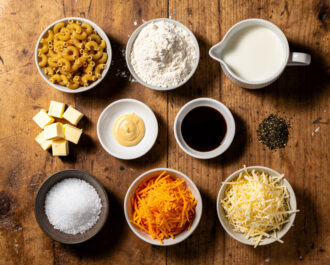
Bring a large pot of salted water to a boil for the pasta. Grate the white cheddar and fontina cheeses, ensuring you have 16 oz and 8 oz respectively. Measure out all other ingredients: 1 lb elbow macaroni, 1/2 cup unsalted butter, 1/2 cup all-purpose flour, 4 cups whole milk, 1/2 cup heavy cream, 2 tsp Dijon mustard, 1 tsp Worcestershire sauce, 1/2 tsp hot sauce, 1 tsp salt, and 1/4 tsp white pepper.
- Cook the Pasta and Make the Roux
Cook the elbow macaroni according to package directions until just al dente. Drain and set aside. Meanwhile, in a large Dutch oven or heavy-bottomed pot, melt the butter over medium heat. Once foaming subsides, whisk in the flour to form a smooth paste (roux). Cook, whisking constantly, for 2-3 minutes until the mixture is pale golden and smells nutty.
- Build the Creamy Béchamel Sauce
Gradually whisk in the milk and heavy cream, about 1/2 cup at a time, ensuring the mixture is smooth before adding more. Continue whisking until all liquid is incorporated and the sauce is thick and smooth, about 5-7 minutes. Remove the pot from the heat. Whisk in the Dijon mustard, Worcestershire sauce, hot sauce, salt, and white pepper.
- Incorporate the Cheese and Finish
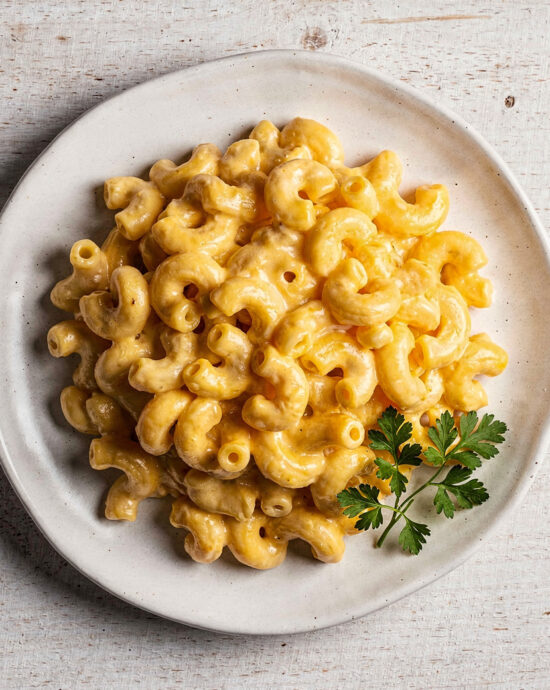
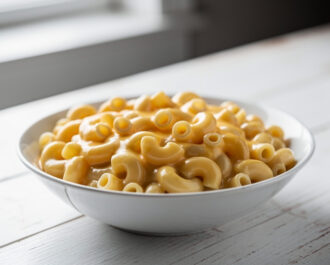
While the béchamel is still hot but off the heat, gradually stir in the grated cheeses with a wooden spoon or spatula until fully melted and the sauce is velvety smooth. Taste and adjust seasoning if needed. Gently fold in the cooked and drained pasta until every piece is evenly coated in the luxurious cheese sauce. Serve immediately, dusted with a pinch of paprika if desired.
- Calories:720 kcal
- Protein:28 g
- Carbohydrates:65 g
- Sugar:10 g
- Salt:1.1 g
- Energy:3010 kJ
- Fat:38 g
Let’s be real for a second. That first forkful of Panera’s mac and cheese hits differently. It’s not just nostalgic; it’s a specific, velvety, soul-soothing experience in a bowl. But what if you could conjure that exact comfort at home? After years of tweaking and tasting, I’ve cracked the code to a spot-on Panera mac and cheese recipe that’s deceptively simple to make. The secret isn’t in a special cheese blend—it’s all in the technique, which I’m thrilled to share with you today. Get ready to say goodbye to the drive-thru line for good.
The Secret Behind This Panera Mac and Cheese Recipe
While Panera is famously tight-lipped, any great cheese sauce relies on a perfect roux. This is the flour-and-butter base that thickens the milk, preventing any grainy or broken sauces. But here’s the twist for our copycat: we’re building layers of flavor. We’re not just melting cheese into cream; we’re creating a rich, seasoned custard-like base that the cheese gently folds into. It’s what gives the final dish its signature creaminess without feeling overly heavy.
Crafting the Perfect Creamy Base
This is your moment of zen. When you whisk that flour into the melted butter, you’re creating a paste called a “blonde roux.” Cook it just until it smells nutty, then slowly stream in the milk. The key word here is slowly. Patience creates a silky-smooth foundation. A pro-tip I learned the hard way? Always have your cheese grated and ready before you start the sauce. Once the béchamel (that’s your milk-and-roux mixture) is ready, you need to work quickly so it stays hot enough to melt the cheese without overcooking it. This prevents the dreaded oil separation that can happen with cheese sauces.
How to Serve Your Homemade Creation
This cheesy masterpiece is a star all on its own, but I love to serve it with a bright, crunchy side to cut through the richness. Think a simple arugula salad with a lemony vinaigrette or some roasted broccoli with chili flakes. For a perfect weeknight meal, pair a bowl with a crisp apple and cheddar grilled cheese for the ultimate comfort-food duo. Beverage-wise, you can’t go wrong with a dry cider or a light lager—the effervescence and slight bitterness are a perfect foil for all that creamy goodness.
Adapting to Your Pantry and Dietary Needs
This recipe is wonderfully adaptable. Need it gluten-free? Swap the all-purpose flour for your favorite 1:1 GF flour blend. For a dairy-free version, use plant-based butter, unsweetened oat milk, and a high-quality vegan cheddar shred. The flavor will be different, but the technique for achieving creaminess remains the same. Want to add a protein kick? Fold in some shredded rotisserie chicken or crispy bacon bits at the end.
For more on the science of a perfect cheese sauce, I always turn to the experts at Serious Eats.
Storing and Reheating Like a Pro
This dish is best served immediately, but leftovers can be magical. Let the mac and cheese cool completely, then store it in an airtight container in the fridge for up to 3 days. To reheat, add a splash of milk to a portion in a saucepan over low heat, stirring gently until warm and creamy again. The microwave can make it a bit rubbery, but if you must, use a lower power setting and stir every 30 seconds. I don’t recommend freezing, as the dairy sauce can separate upon thawing.
Your Questions, Answered
Can I use pre-shredded cheese? I strongly advise against it. Pre-shredded cheese is coated with anti-caking agents (usually potato starch or cellulose) which prevent it from melting into a smooth sauce. For the silkiest results, buy a block and grate it yourself. It makes a world of difference.
Why did my sauce turn out grainy? This usually means the cheese was added to a sauce that was too hot, causing the proteins to seize up. Always remove your béchamel from the heat before stirring in the cheese. The residual heat is more than enough to melt it gently.
So there you have it—your guide to recreating that beloved, creamy indulgence right in your own kitchen. This isn’t just a copycat; it’s a celebration of simple ingredients transformed by a little know-how. I promise, once you taste that first homemade, flawlessly creamy forkful, you’ll be a believer. Now, go grab your whisk and get cooking! I’d love to hear how your Panera mac and cheese recipe turns out, so drop a comment below. And if you’re looking for more cozy classics, don’t forget to browse our recipe collection.