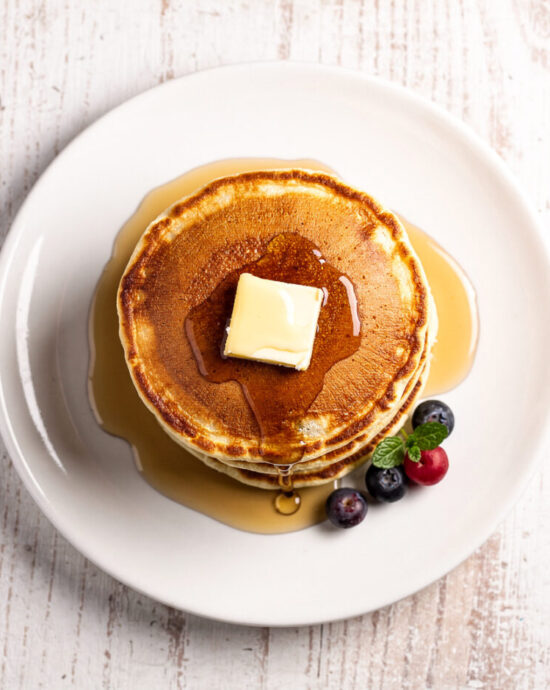

- Prepare the Ingredients

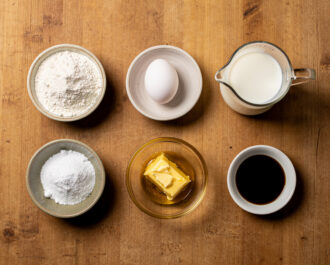
Gather all ingredients: 1 1/2 cups all-purpose flour, 3 tbsp sugar, 1 tbsp baking powder, 1/4 tsp baking soda, 1/2 tsp salt, 1 large egg, 1 1/4 cups whole milk, 1 tsp vanilla extract, and 3 tbsp melted, cooled unsalted butter.
- Combine Dry and Wet Mixtures
In a large bowl, whisk together the flour, sugar, baking powder, baking soda, and salt. In a separate bowl or large measuring jug, whisk the egg, milk, and vanilla extract until smooth and fully combined.
- Mix the Batter
Pour the wet ingredients into the dry ingredients. Using a wooden spoon or rubber spatula, gently stir until the flour is just moistened. The batter will be lumpy—this is crucial! Finally, gently fold in the melted butter until just incorporated. Do not overmix.
- Cook to Golden Perfection
Heat a non-stick griddle or large skillet over medium heat. Lightly grease with butter or oil. For each pancake, pour about 1/4 cup of batter onto the hot surface. Cook until bubbles form on the surface and the edges look set, about 2-3 minutes. Flip and cook until golden brown on the other side, about 1-2 minutes more. Serve immediately with your favorite toppings.

- Calories:320 kcal
- Protein:9 g
- Carbohydrates:48 g
- Sugar:12 g
- Salt:0.8 g
- Energy:1340 kJ
- Fat:10 g
That universal morning craving for a plate of perfectly golden, impossibly fluffy homemade pancakes is no joke. There’s a kind of quiet magic in the ritual of making them—the sizzle of batter hitting a hot pan, the subtle fragrance of vanilla and toasted grain filling the kitchen. This pancake recipe ditches the box mix and celebrates the simple joy of cooking from scratch, creating the best pancakes for your table with ingredients you already know.
The Humble History of Our Pancake Recipe
Pancakes are ancient history, appearing in Greek poetry and Roman cookbooks. They’re a delicious lesson in resourcefulness, a way to turn humble staples into something celebratory. This version draws from classic American diner style, akin to the beloved stack you’d get at an IHOP, but with a focus on that tender, airy crumb we all dream about.
What Makes These Pancakes Special
The secret isn’t in one wild ingredient, but in a couple of intentional details. First, we use both baking powder for lift and baking soda for that perfect golden-brown color. Second, the butter isn’t just a fat; it’s added after the batter is mixed to create a rich, almost cake-like tenderness. The result? A stack that’s light as a cloud with a delicate, buttery flavor, far surpassing any bisquick pancake recipe.
The Pro-Tip for Fluffy Success
Here’s the one rule I live by: mix the wet and dry ingredients until they are *just* combined, and then stop. A few lumps are your friend. Overmixing develops gluten, which leads to tough, chewy results instead of the tender, airy cakes we want. This method for pancakes from scratch is non-negotiable for perfection.
Variations on Your Classic Pancake Recipe
The beauty of a solid base recipe is its flexibility. For a touch of southern charm, try a Magnolia pancake style by adding a teaspoon of lemon zest. Craving something indulgent? Explore the world of deep fried pancakes by dipping cooled, cooked pancakes in a light batter and giving them a quick fry. For eggless pancakes, simply replace the egg with one tablespoon of vinegar mixed with one cup of milk; it works like a charm for a thin pancake recipe, too.
Serving & Pairing Ideas
While maple syrup is the classic partner, don’t stop there. A smear of almond butter with sliced bananas, or a dollop of lemon curd with fresh berries, can be revelatory. For drinks, a glass of cold, whole milk is perfection, but a cup of strong, black coffee cuts through the sweetness beautifully.
Make-Ahead & Storage Tips
You can whisk the dry ingredients together a day or two ahead. Cooked pancakes freeze wonderfully: let them cool completely, then layer between parchment paper in a freezer bag. Reheat in a toaster or a warm oven for a nearly-fresh breakfast in minutes.
Frequently Asked Pancake Questions
Can I make this batter the night before? I don’t recommend it. The leavening agents start working as soon as the wet meets dry, so for the fluffiest results, cook the batter immediately after mixing.
My pancakes are always raw in the middle. What am I doing wrong? The pan is likely too hot, causing the outside to burn before the inside cooks. Aim for a medium heat—the batter should bubble gently after about 90 seconds before you flip. For more great kitchen science, check out Serious Eats.
So, what are you waiting for? Gather your bowls, fire up the griddle, and get ready to create a breakfast memory. This pancake recipe is your ticket to turning an ordinary morning into something quietly spectacular. I’d love to hear how yours turn out—drop a comment below and tell me about your perfect stack! And for more inspiration, browse our recipe collection.