
- Prepare the Ingredients

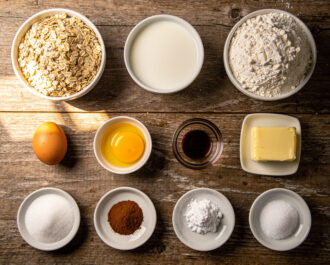
Measure out all ingredients: 1 cup old-fashioned rolled oats, 1 1/4 cups buttermilk, 1 large egg, 3 tbsp melted unsalted butter, 1 tsp vanilla extract, 3/4 cup all-purpose flour, 2 tbsp granulated sugar, 2 tsp baking powder, 1/2 tsp baking soda, and 1/2 tsp salt.
- Soak the Oats
In a large bowl, stir together the oats and buttermilk. Let the mixture sit for 10 minutes. This softens the oats and ensures your pancakes have a tender, never-gritty, texture.
- Combine Wet & Dry
To the oat mixture, whisk in the egg, melted butter, and vanilla until well combined. In a separate medium bowl, whisk together the flour, sugar, baking powder, baking soda, and salt. Gently fold the dry ingredients into the wet ingredients until just combined; a few lumps are fine. Let the batter rest for 10 minutes.
- Cook to Golden Perfection
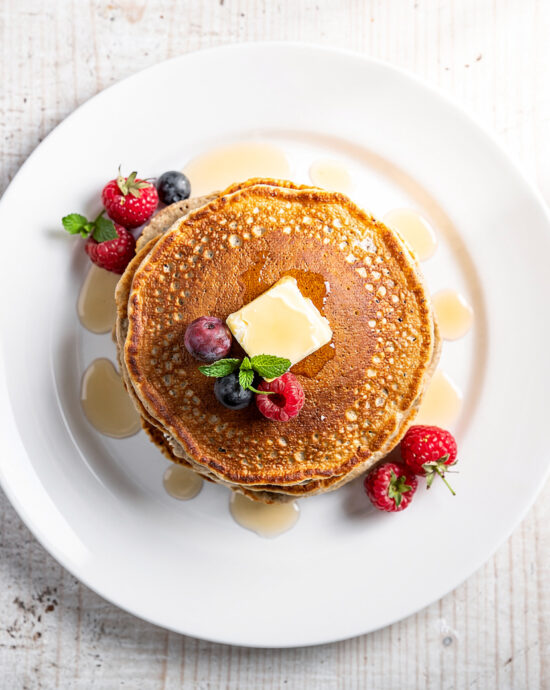
Heat a large non-stick skillet or griddle over medium heat. Lightly grease with butter or oil. For each pancake, pour about 1/4 cup of batter onto the hot surface. Cook until bubbles form on the surface and the edges look set, about 2-3 minutes. Flip and cook the other side until golden brown and cooked through, about 1-2 minutes more. Serve immediately.
- Calories:320 kcal
- Protein:10 g
- Carbohydrates:42 g
- Sugar:9 g
- Salt:0.6 g
- Energy:1340 kJ
- Fat:12 g
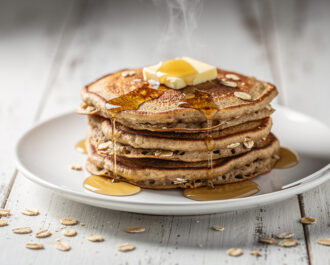
Some mornings, you crave a breakfast that sticks with you—something warm, hearty, and a little nostalgic. That’s where my obsession with oatmeal pancakes began. I wanted the comfort of a classic flapjack but with the wholesome, satisfying chew of a bowl of oats. This recipe delivers exactly that. These golden beauties have the perfect nooks and crannies for melting butter and syrup, and a toasty, nutty flavor that makes you want to linger at the table.
The Story of Oatmeal Pancakes
This dish feels legendary, but its origin is pure practicality. As the story goes, a clever cook looked at their leftover morning porridge and thought, ‘Why not?’ Transforming those soft oats into a new form of griddle-gold is a humble act of kitchen genius. It’s a testament to making the most of what you have, and the result is far greater than the sum of its simple parts.
Why This Recipe Works
What makes this particular version of oatmeal pancakes recipe so special is the texture. We’re not just sprinkling dry oats into batter. Soaking them in buttermilk first softens them completely, ensuring you get a tender, uniform crumb—no unpleasant grit. Meanwhile, the tang from the buttermilk and a whisper of vanilla create a flavor profile that’s complex, not cloyingly sweet. The secret isn’t a single ingredient; it’s the harmony of them all.
Your Key to Oatmeal Pancakes Success
Here’s the one pro-tip that separates a good batch from a great one: let the batter rest. After you combine the wet and dry ingredients, give it a full 10 minutes on the counter. This allows the flour to fully hydrate and the baking soda to start its magic, which translates to pancakes with a lighter, airier lift. Trust me, that little bit of patience pays off in every fluffy bite.
Serving & Pairing Ideas
While a river of maple syrup is always a winner, think beyond the basics. A dollop of lemon curd with fresh blueberries cuts through the richness beautifully. For a savory twist, top a stack with a fried egg and a drizzle of hot sauce. Pair your stack with a strong cup of black coffee or, for a real treat, a steaming mug of Serious Eats‘ favorite chicory coffee blend. The bitter notes are sublime against the sweet, toasty cakes.
Variations & Substitutions
This recipe is wonderfully adaptable. For a dairy-free version, use a plant-based milk mixed with a tablespoon of lemon juice or vinegar instead of buttermilk. Need gluten-free? Swap the all-purpose flour for a 1:1 gluten-free blend. Feel free to stir in a handful of chocolate chips, diced apples with cinnamon, or mashed ripe banana right into the batter for a different twist on your oatmeal pancakes recipe.
Make-Ahead & Storage Tips
Busy mornings are no match for these. You can mix the dry ingredients and whisk the wet ingredients the night before; just keep them separate in the fridge. In the morning, combine and cook. Leftover cooked pancakes freeze beautifully. Lay them in a single layer on a baking sheet to freeze solid, then transfer to a bag. Reheat in a toaster for a nearly-fresh breakfast in minutes.
Frequently Asked Questions
Can I use quick oats instead of old-fashioned?
Yes, but the texture will be slightly less distinct. Quick oats absorb liquid faster, so your batter may thicken more quickly. You might need to add a tiny splash more milk to get the right consistency.
My pancakes are always raw in the middle. What am I doing wrong?
The pan is likely too hot! You want a medium, steady heat—a droplet of water should skitter and evaporate slowly. This gives the center time to cook through before the outside gets too dark.
There you have it—everything you need to turn humble ingredients into a breakfast worth getting out of bed for. I promise, once you master this simple formula, you’ll find yourself reaching for it again and again. Now, grab your skillet and get cooking. I’d love to hear how yours turn out in the comments below, or browse our recipe collection for more cozy breakfast ideas.