
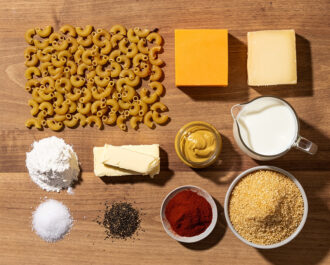
- Prepare the Ingredients

Gather: 1 lb elbow macaroni, 4 tbsp unsalted butter, 1/4 cup all-purpose flour, 4 cups whole milk, 1 1/2 tsp Dijon mustard, 8 oz shredded sharp cheddar, 4 oz shredded Gruyère, 1 tsp salt, 1/2 tsp black pepper, 1/4 tsp smoked paprika, 3/4 cup panko breadcrumbs, and 2 tbsp melted butter. Bring a large pot of salted water to a boil for the pasta. Preheat your oven to 375°F (190°C).
- Make the Cheese Sauce
Melt 4 tbsp butter in a large saucepan over medium heat. Whisk in the flour and cook, stirring constantly, for about 2 minutes until it smells nutty and is lightly golden. Gradually pour in the milk, whisking vigorously to prevent lumps. Cook, whisking often, until the sauce thickens enough to coat the back of a spoon, about 8-10 minutes. Remove from heat. Stir in the Dijon mustard, salt, pepper, and paprika until fully combined.
- Combine Pasta and Cheese
Cook the macaroni in the boiling water for 2 minutes less than the package instructions for al dente. Drain. While the sauce is still hot off the burner, stir in the shredded cheddar and Gruyère cheese a handful at a time until completely melted and smooth. Fold the drained pasta into the luxurious cheese sauce until every piece is thoroughly coated.
- Top, Bake, and Serve
Pour the mac and cheese into a greased 9x13 inch baking dish. In a small bowl, mix the panko breadcrumbs with the 2 tbsp of melted butter until evenly moistened. Sprinkle the buttery crumbs evenly over the top. Bake for 20-25 minutes, or until the topping is golden brown and the edges are bubbling. Let it rest for 5 minutes before serving to allow the sauce to set slightly.
- Calories:580 kcal
- Protein:24 g
- Carbohydrates:52 g
- Sugar:9 g
- Salt:1.2 g
- Energy:2427 kJ
- Fat:31 g
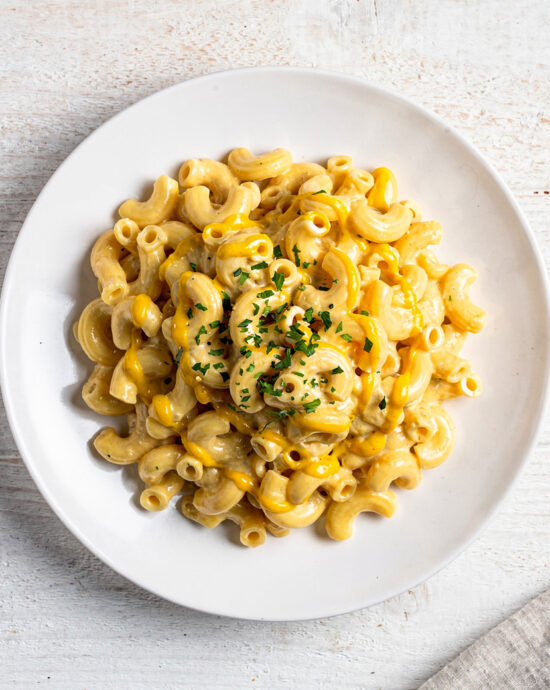
Listen, I used to think my mac and cheese game was on point. Then I learned the simple truth: a little mustard in mac and cheese is the difference between good and ‘can I get this recipe?’ glorious. This isn’t about turning it into a deli sandwich filling. It’s about a whisper of complexity, a bright little wink that cuts through all that luscious dairy and makes every single cheese note sing louder. It’s the secret I wish someone had told me years ago, hiding right there in the fridge door.
A Pinch of History: The Story Behind Mustard in Mac and Cheese
While the exact origin is as fuzzy as a perfect cheese pull, the practice of adding mustard to creamy sauces and casseroles is deeply rooted in European and American culinary tradition. Mustard powder, in particular, has long been a stealth weapon in cheese sauces and Welsh rarebit. The logic is timeless: acidity and sharpness balance richness. When the classic American baked macaroni and cheese evolved from its bechamel-based ancestors, that clever trick came along for the ride, passed down through generations of home cooks who knew a flavor booster when they tasted one.
What Makes This Condiment Hack So Special
We’re chasing a specific alchemy here. The right mustard doesn’t shout; it elevates. It provides a subtle, vinegary backbone that prevents the sauce from tasting flat or one-note. Moreover, the compounds in mustard act as an emulsifier, helping to bind the fat and liquid into a smoother, silkier sauce that clings to every noodle crevice. The result? A more cohesive, flavorful bite from the first forkful to the last.
The Pro-Tip: Temperature is Everything
My biggest ‘aha!’ moment was learning when to add the mustard. Never add it to a cold roux or splash it into boiling cream. The sweet spot is after you’ve taken the warm (not scorching hot) milk-and-roux mixture off the heat, and just before you start stirring in the cheese. This preserves the mustard’s bright, aromatic qualities without cooking them out into bitterness. Think of it as stirring in a final seasoning, not an ingredient to be boiled.
Serving & Pairing: Think Beyond the Bowl
This mac and cheese, with its balanced depth, stands up beautifully to heartier companions. Skip the sad side salad and serve it with a crisp, bitter green salad dressed in a tangy vinaigrette to play up the mustard notes. For a drink pairing, a cold lager or a crisp, apple-forward hard cider is magic. The carbonation and acidity are a brilliant palate cleanser against the creamy decadence.
Variations & Substitutions for Every Craving
This formula is a fantastic launchpad. For a different tang, try a teaspoon of hot sauce on mac and cheese (like a vinegary cayenne style) for a gentle kick. If you’re out of prepared mustard, a teaspoon of ground mustard in mac and cheese works beautifully—just let it hydrate in the warm milk for a minute. Feeling adventurous? A tiny swirl of ketchup in mac and cheese can add a sweet-umami twist for some. The key is to start small and taste. For more on the science of adding mustard to mac and cheese, the food science nerds at Serious Eats have some brilliant deep dives.
Make-Ahead & Storage Tips
You can prepare the cheese sauce (with mustard stirred in) up to 2 days ahead. Store it in a sealed container in the fridge. When ready, gently reheat it in a saucepan over low heat with a splash of milk to loosen, then combine with freshly cooked pasta. Leftovers keep for 3-4 days and reheat best in the oven or a skillet with a touch of milk to restore creaminess. The microwave tends to make it a bit grainy.
Frequently Asked Questions
What kind of mustard is best?
I swear by a good Dijon for its clean, sharp flavor. Yellow mustard works in a pinch but is more acidic and less complex. Whole grain mustard adds wonderful texture and a milder flavor pop.
Can I taste the mustard?
If you do it right, you shouldn’t taste a distinct ‘mustard’ flavor. Instead, you’ll notice the mac and cheese tastes more rounded, cheesy, and vibrant. The mustard works behind the scenes.
My sauce broke! What now?
Don’t panic. Remove it from heat and vigorously whisk in a tablespoon of cold milk or cream. This can often bring a separated sauce back together. An immersion blender is also a great rescue tool.
So, there you have it. Your new kitchen secret, unlocked. I’m telling you, once you try mustard in mac and cheese, you’ll never go back. It’s the easiest, smartest one-minute upgrade in your comfort food arsenal. Now, go raid that fridge and get cooking. And when you do, tell me all about it—I live for these stories. For more inspiration, don’t forget to browse our recipe collection.