
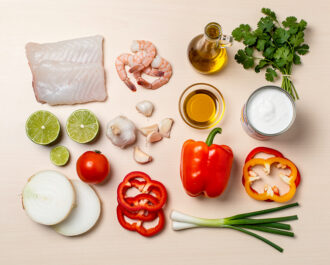
- Prepare the Ingredients

Cut 1.5 lbs of fish into 2-inch chunks. Peel and devein 1 lb of shrimp. Juice 2 limes and mince 4 garlic cloves. Slice 1 red bell pepper, 1 green bell pepper, and 1 large yellow onion. Chop 2 large tomatoes and ½ cup of cilantro. Slice 3 green onions.
- Marinate the Seafood
In a large bowl, combine the fish, shrimp, lime juice, minced garlic, 1 tsp paprika, 1 tsp salt, and ½ tsp black pepper. Toss gently to coat. Let it marinate at room temperature for 20 minutes. Meanwhile, prep the remaining vegetables.
- Sauté the Aromatics
Heat 2 tbsp olive oil in a large Dutch oven or heavy-bottomed pot over medium heat. Add the sliced onions and bell peppers. Cook, stirring occasionally, until softened, about 8-10 minutes. Add the chopped tomatoes and cook for another 5 minutes until they start to break down.
- Build and Simmer the Stew
Pour in the coconut milk and ½ cup of broth. Stir in 1 tbsp of the red palm oil. Bring the mixture to a very gentle simmer—just a few bubbles. Carefully add the marinated seafood along with all its juices. Nestle the pieces into the broth. Do not stir vigorously. Cover and let it cook gently for 8-10 minutes, or until the fish flakes easily and shrimp are pink and opaque.
- Finish and Serve
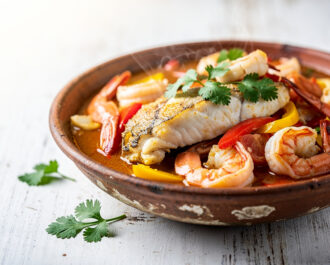
Remove the pot from the heat. Drizzle the remaining 1 tbsp of red palm oil over the top. Scatter the chopped cilantro and green onions over the stew. Taste and adjust salt if needed. Serve immediately with fluffy white rice to soak up the incredible broth.
- Calories:420 kcal
- Protein:38 g
- Carbohydrates:12 g
- Sugar:6 g
- Salt:1.2 g
- Energy:1760 kJ
- Fat:24 g
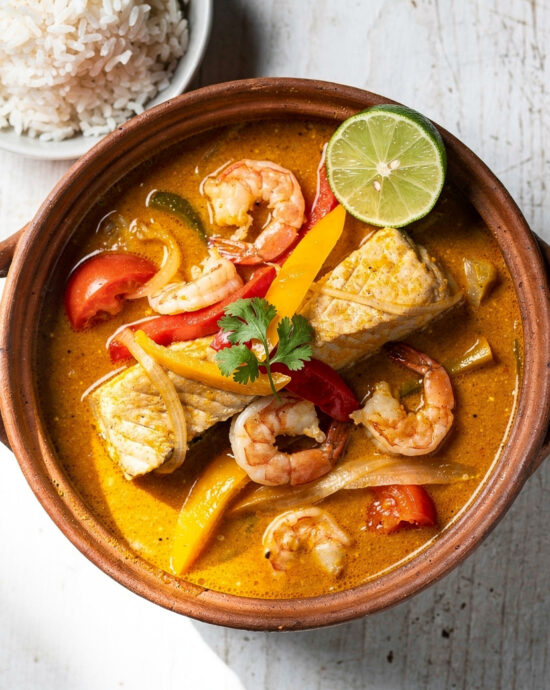
Close your eyes and picture a dish that is equal parts vibrant, comforting, and soul-stirring. That, my friend, is moqueca. My first taste of this Brazilian fish stew was a revelation—a silky, crimson coconut broth packed with tender seafood, singing with lime and fresh herbs. It felt like sunshine in a bowl. While there are regional variations, my go-to moqueca recipe captures the essence of the Bahian style: bright, creamy, and utterly irresistible. This is the best moqueca recipe I’ve developed to bring that magic to your kitchen.
The Soulful Story of This Moqueca Recipe
To understand this Brazilian dish moqueca is to glimpse the heart of Brazil. The iconic clay pot (a panela de barro) is said to date back to Brazil’s indigenous peoples. This traditional moqueca recipe was further enriched by the flavors brought by Portuguese colonists and African influences, creating a melting pot in a single pot. It’s more than a fish stew—it’s a history lesson you can taste.
What Makes a Truly Authentic Brazilian Fish Stew?
What separates a great brazilian seafood stew from a good one? It’s the harmonious trio: the smokiness of palm oil (dendê), the creaminess of coconut milk, and the sharp freshness of cilantro and lime. Getting the balance right is key; you want a rich, complex broth that doesn’t overpower the delicate seafood. The best fish for moqueca are firm white fillets like halibut or cod, which hold their shape beautifully. This creates a brazilian fish stew with coconut milk that is robust yet elegant. Moreover, the gentle, barely-simmering cooking method is what ensures the proteins stay melt-in-your-mouth tender.
The Pro-Tip for Your Moqueca Success
My ‘aha’ moment? Don’t skip the marinate. Letting the fish and shrimp bathe in lime juice, garlic, and paprika for just 20 minutes builds a foundation of flavor that permeates the whole stew. As a result, every bite of your Brazilian shrimp and fish stew is perfectly seasoned from within. It’s a simple step that transforms the entire dish.
Serving & Pairing Your Stew
Serve this beautiful moqueca straight from a Dutch oven or, if you’re lucky enough to have one, a traditional clay pot. It craves fluffy white rice to soak up all that glorious sauce. For a truly Brazilian touch, serve with farofa (toasted cassava flour) for a delightful crunch. A crisp, citrusy Vinho Verde or a caipirinha cuts through the richness beautifully. Check out our recipe collection for more pairing ideas.
Variations & Substitutions to Make it Yours
The beauty of this stew is its flexibility. For a seafood moqueca, add scallops or mussels. Make a brazilian shrimp stew recipe (moqueca de camarão) by doubling the shrimp and skipping the fish. For a salmon moqueca, use skinless salmon fillets. No palm oil? A tablespoon of smoked paprika stirred into the olive oil can approximate its earthy depth. Vegan? Use hearty vegetables like bell peppers, hearts of palm, and firm tofu. You can explore an authentic moqueca recipe for the Capixaba style (without coconut milk) over at Serious Eats.
Make-Ahead & Storage Wisdom
You can chop the vegetables and make the marinade a day ahead. However, I recommend cooking the stew just before serving for the freshest texture. Leftovers keep beautifully in the fridge for up to two days; the flavors meld even more. Reheat gently on the stove to avoid overcooking the seafood.
Your Moqueca Recipe FAQs
What is the difference between Moqueca Baiana and Capixaba?
Moqueca Baiana, from Bahia, uses coconut milk and palm oil for a rich, reddish stew. Moqueca Capixaba, from Espírito Santo, omits both, using olive oil and annatto for color, resulting in a lighter, more brothy brazilian stew fish.
Can I make moqueca without palm oil?
Absolutely. While palm oil adds a signature color and earthy flavor, you can substitute with more olive oil. The stew will be different but still delicious. A pinch of smoked paprika helps mimic the depth.
Now, roll up your sleeves, gather your ingredients, and get ready to fill your kitchen with the incredible aromas of Brazil. This moqueca recipe is a hug in a bowl, a celebration, and your next favorite dinner. I can’t wait for you to try it! Let me know how yours turns out in the comments.