
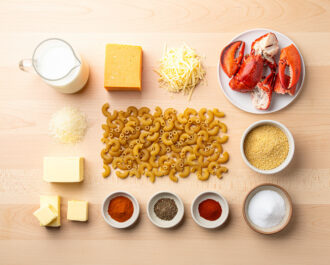
- Prepare the Ingredients

Gather all components: 3 cups whole milk, 1 large halved shallot, 1 bay leaf, 1 tsp black peppercorns, 12 oz elbow macaroni, 4 tbsp unsalted butter (divided), 3 tbsp all-purpose flour, 2.5 cups grated sharp white cheddar, 1 cup grated Gruyère, ¾ cup grated Parmesan (divided), ¼ tsp ground nutmeg, ⅛ tsp cayenne pepper, 1 tsp kosher salt, ½ tsp black pepper, 1 lb chopped cooked lobster meat, ½ cup panko breadcrumbs, and ½ tsp paprika.
- Infuse the Milk & Cook the Pasta
In a saucepan, combine the milk, shallot, bay leaf, and peppercorns. Warm over medium heat until just beginning to steam (around 180°F). Remove from heat, cover, and let steep for 20 minutes. Meanwhile, cook the macaroni in well-salted boiling water for 2 minutes less than the package's al dente time. Drain and set aside.
- Make the Cheese Sauce
Preheat oven to 375°F. Strain the milk, discarding the solids. In a large Dutch oven or pot, melt 3 tbsp butter over medium heat. Whisk in the flour and cook, stirring constantly, for about 2 minutes until it smells nutty but is still pale. Slowly whisk in the warm milk. Bring to a gentle simmer, whisking, and cook for 3-4 minutes until slightly thickened. Remove from heat. Stir in the white cheddar, Gruyère, and ½ cup of the Parmesan until melted and smooth. Season with nutmeg, cayenne, salt, and pepper.
- Combine and Bake
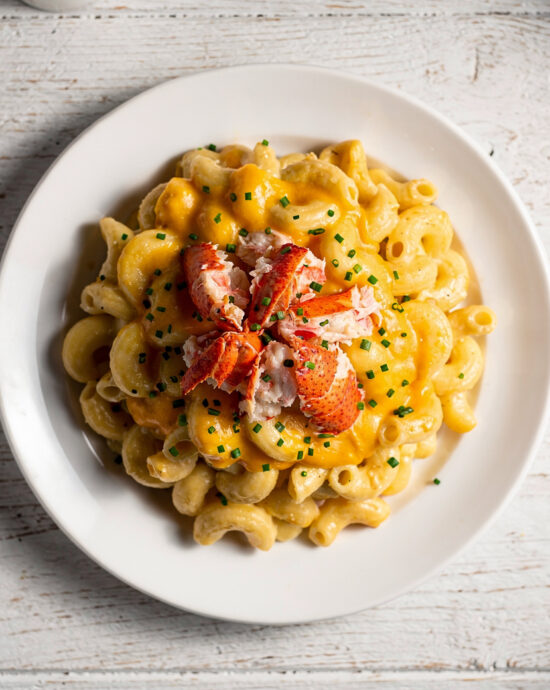
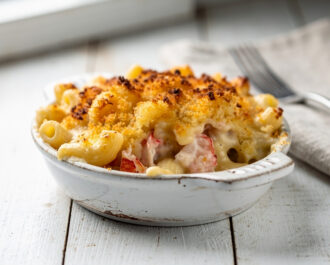
Fold the cooked pasta and lobster meat into the cheese sauce until everything is well coated. Transfer the mixture to a greased 9x13-inch baking dish. In a small bowl, melt the remaining 1 tbsp butter and mix with the panko, the remaining ¼ cup Parmesan, and paprika. Sprinkle the breadcrumb topping evenly over the pasta. Bake for 15 minutes, until hot and bubbling.
- Broil and Serve
Switch the oven to broil on high. Broil the casserole for 2-3 minutes, watching closely, until the breadcrumb topping is deeply golden and crisp. Remove from the oven and let it rest for 5 minutes. This allows the sauce to set slightly. Serve immediately, savoring the contrast of the crisp top and the creamy, lobster-studded interior.
- Calories:680 kcal
- Protein:38 g
- Carbohydrates:52 g
- Sugar:9 g
- Salt:1.2 g
- Energy:2845 kJ
- Fat:35 g
Every so often, the universe whispers a demand for an occasion-worthy dish. You know the one I mean: it has to feel special, taste luxurious, but still wrap you up in that deep, comforting hug only pasta and cheese can provide. I’ve found the definitive answer in lobster mac and cheese. It’s a dish that turns a casual Tuesday into a celebration and a holiday feast into something truly legendary. It’s more than a recipe; it’s a promise of creamy, decadent satisfaction.
The Decadent Tale of Lobster Mac and Cheese
The story goes that a brilliant, and perhaps slightly indulgent, chef decided that the simple, soulful joy of macaroni and cheese deserved a crown. They looked at the classic and asked, “What if it wore a tuxedo?” Adding lobster wasn’t just an upgrade; it was a statement. The sweet, oceanic meat against the rich, cheddar-kissed sauce created a duo so perfect it now has its own place in culinary lore. It’s a dish born from a desire to make comfort food feel truly celebratory.
What Makes This Lobster Mac and Cheese Special
Many recipes can feel overwhelmingly heavy. The magic here is in the sauce—a custardy, smooth béchamel that’s light on flour but bold in flavor. The key, as I learned from a deep dive on Serious Eats, is patience. Instead of a thick roux, we build a slow-cooked milk base infused with spices and shallots, creating a velvety foundation that coats each elbow macaroni in a silken cloak. It doesn’t sit in your stomach like a brick; it dances on your tongue. Then, of course, there’s the star: sweet, tender lobster folded in at the very end, ensuring it retains its delicate texture and flavor.
The Pro-Tip: Don’t Rush the Base
My biggest “aha!” moment with this dish was learning to treat the milk mixture like a tea. You steep your aromatics—shallot, bay leaf, peppercorns—in warm milk for a good 20 minutes off the heat. This gentle infusion gives you a flavor base with a subtle, sophisticated depth that a fast boil can never achieve. Skipping this step is the difference between a simple cheese sauce and something truly unforgettable.
Perfect Pairings for Your Lobster Mac
While this decadent side dish is a star on its own, it plays well with others. For a formal dinner, serve it alongside a simply roasted whole chicken or pan-seared scallops. To keep things casual, a crisp, peppery arugula salad with lemon vinaigrette cuts through the richness beautifully. A glass of unoaked Chardonnay or a dry, sparkling rosé are my go-to beverage pairings—they cleanse the palate between those heavenly, creamy bites.
Creative Variations and Substitutions
Don’t have lobster? This creamy masterpiece is incredibly flexible. For a fantastic lobster mac and cheese recipe variation, try using an equal weight of lump crab meat, cooked shrimp, or even seared scallops. For a more rustic twist, crispy bacon or pancetta add a wonderful salty crunch. If you’re looking to cut costs without sacrificing luxury, adding a bit of high-quality smoked salmon to a primarily white fish mix can mimic that oceanic sweetness beautifully. For a vegetarian take, roasted wild mushrooms or artichoke hearts bring a meaty texture and savory depth.
Planning Ahead: Make-Ahead & Storage Tips
The best lobster mac and cheese starts with the best preparation. You can make the entire dish up to a day ahead, stopping right before the final broil. Let it cool, cover tightly, and refrigerate. When ready to serve, let it sit at room temperature for 30 minutes, then bake at 375°F (covered with foil) for 25-30 minutes until hot. Remove the foil, add a sprinkle of fresh cheese, and broil for that perfect crust. Leftovers keep for up to 3 days in the fridge and reheat best in the oven. The microwave can make the sauce a bit grainy.
Your Lobster Mac and Cheese Questions Answered
Can I use frozen lobster meat? Absolutely, and it’s a great time-saver. Opt for high-quality frozen cooked lobster claws or tails. Thaw overnight in the fridge and pat it very dry before adding to the hot pasta mixture. This prevents any extra water from diluting your beautiful, creamy sauce.
What if my sauce breaks or looks oily? Don’t panic! A broken sauce usually means the emulsion has split, often from too high heat. Remove it from the burner and whisk in a tablespoon of cold milk or cream vigorously. It should come back together into a smooth, glossy sauce.
So there you have it—a dish that’s part comfort, part celebration, and entirely delicious. I can’t wait for you to experience the joy of pulling this bubbling, golden creation from your oven and sharing it with the people you love. It’s more than food; it’s a moment. Now, tie on your apron and get cooking. Don’t forget to tell me how it goes in the comments below, and explore our recipe collection for your next kitchen adventure!