
- Prepare the Ingredients

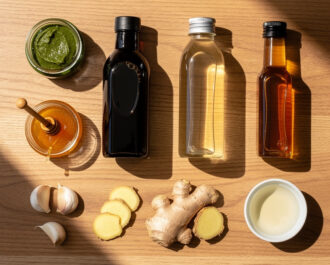
Mince the garlic and grate the ginger finely. Measure out all other ingredients: 3 tbsp fermented Chinese green tea paste, 2 tbsp soy sauce, 1 tbsp rice vinegar, 1 tbsp honey, 1 tsp toasted sesame oil, and 1 tbsp neutral oil.
- Bloom the Aromatics
Heat the 1 tbsp of neutral oil in a small saucepan or skillet over medium-low heat. Add the minced garlic and grated ginger. Cook, stirring constantly, for just 45-60 seconds until fragrant but not browned. This step wakes up their flavors.
- Combine & Simmer
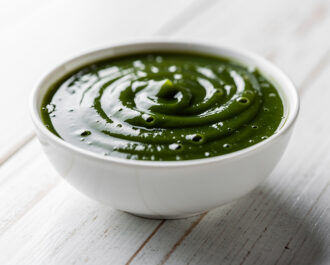
Add the 3 tbsp of green tea paste to the pan with the aromatics. Stir and mash it into the oil for about 30 seconds to toast it slightly. Then, pour in the soy sauce, rice vinegar, and honey. Whisk everything together and let it simmer gently for 1-2 minutes until the sauce thickens slightly and becomes glossy.
- Finish & Cool
Remove the saucepan from the heat. Stir in the 1 tsp of toasted sesame oil. Taste and adjust seasoning if needed (a pinch of sugar if too salty, a splash of vinegar if too sweet). Let the sauce cool completely before using it as a marinade or glaze. It will thicken further as it cools.
- Calories:45 kcal
- Protein:1 g
- Carbohydrates:6 g
- Sugar:4 g
- Salt:0.4 g
- Energy:188 kJ
- Fat:2 g
We all have that one magical ingredient that transforms everything it touches. For me, it’s a simple jar of green tea chinese used not for sipping, but for its incredible power to elevate meats and vegetables. Forget everything you think you know about tea as just a drink. This condiment, a pungent mix of fermented leaves, garlic, and spices, is the secret weapon lurking in the back of my fridge.
What Makes This Green Tea Chinese Special
Most green tea chinese preparations you buy are for brewing, but this is different. We’re using a specific fermented paste that’s savory, salty, and deeply umami, with a subtle grassy kick that mellows into something magical. The aha! moment for me was realizing its flavor base wasn’t just for tea. It acts like a more complex, floral cousin to miso or gochujang, but with a cleaner finish that doesn’t overpower. You get a bold, earthy depth that makes chicken, tofu, or even a simple stir-fry taste like a dish from a master chef’s wok.
The Pro-Tip: Temperature is Everything
Here’s the game-changer: don’t just mix it cold. To unlock its full potential, you need to briefly bloom the paste in hot oil. This quick step mellows the raw edge and toasts the aromatics, releasing a fragrance that fills your kitchen. It’s the difference between a good marinade and a truly extraordinary one. I learned this the hard way after a few flat-tasting experiments. For more great tips on unlocking flavor, I often turn to the experts at Serious Eats.
Serving & Pairing Ideas
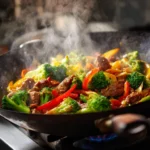
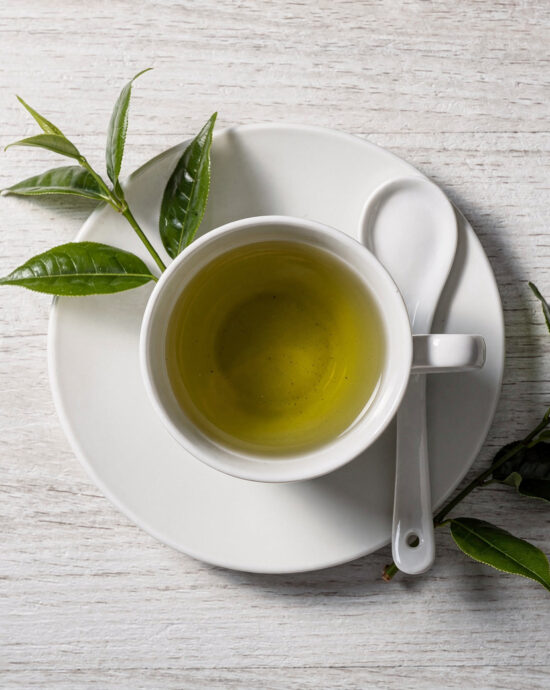
This sauce is incredibly versatile. My favorite use is as a glaze for grilled chicken thighs—the char from the grill caramelizes the sugars into a sticky, glossy crust. Meanwhile, a spoonful thinned with a little vinegar makes an incredible dipping sauce for dumplings. It also loves being paired with simple steamed greens, like bok choy or broccoli. For a drink pairing, stick with something clean to cut through the richness. A light lager works well, but for a truly traditional chinese tea experience, a cup of hot dian hong tea (a malty, slightly sweet black tea) provides a beautiful contrast.
Exploring Variations & Substitutions
Don’t have the exact paste? Don’t worry. You can approximate the savory-umami base with a mix of white miso and a tiny pinch of matcha powder. For a different aromatic twist, try using a paste made from another one of the wonderful types of chinese tea. A milder chinese white tea paste would create a more delicate, floral marinade. Exploring these options is part of the fun of discovering the best asian teas for cooking.
The beauty of this mixture is its make-ahead nature. Whip up a double batch and store it in the fridge for up to two weeks; the flavors only get better as they meld. Just be sure to use a clean spoon every time to prevent spoilage.
Frequently Asked Questions
Can I use regular brewed green tea instead?
Unfortunately, no. The fermented paste provides a concentrated savory flavor and thick texture that brewed liquid tea cannot replicate. They’re different products for different purposes.
Where can I find green tea paste?
Look in well-stocked Asian grocery stores, usually in the sauces or tea aisle. It’s often sold in small jars or cans labeled “tea paste” or “fermented tea leaf.”
Is this sauce very spicy?
Typically, no. The primary flavor is savory, salty, and umami with a fermented tang. Any heat usually comes from added chili, which varies by brand, so check the label if you’re sensitive.
So, are you ready to raid your pantry? This little jar of magic is waiting to become your new culinary obsession. I promise, once you try this green tea chinese marinade, you’ll start finding excuses to use it on everything. Give it a whirl and let me know what you create in the comments! And for more inspiration, don’t forget to browse our recipe collection.