
- Prepare the Ingredients

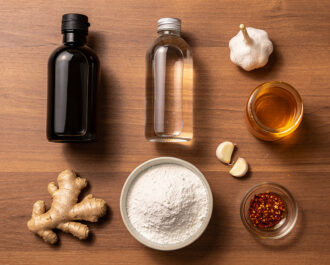
Gather all ingredients: 1/2 cup tamari, 1/4 cup rice vinegar, 2 tablespoons honey, 2 cloves garlic (minced), 1 tablespoon grated ginger, 1 tablespoon cornstarch, 1/4 cup water, 1 teaspoon sesame oil, and 1/2 teaspoon red pepper flakes (optional).
- Combine Wet Ingredients
In a medium bowl, whisk together the tamari, rice vinegar, honey, minced garlic, grated ginger, and sesame oil until well combined. Add red pepper flakes if using.
- Create and Add Slurry
In a small bowl, mix the cornstarch with cold water until smooth. Pour the wet mixture into a saucepan and bring to a simmer over medium heat. Slowly whisk in the cornstarch slurry and continue to cook, stirring constantly, for 2-3 minutes until the sauce thickens and becomes glossy.
- Finish and Store
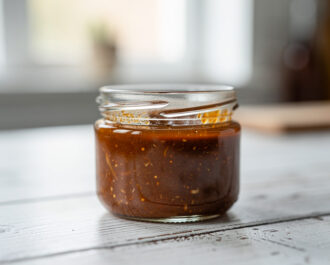
Remove the sauce from heat and let it cool slightly. Transfer to a glass jar or airtight container. Use immediately or store in the refrigerator for up to a week.
- Calories:50 kcal
- Protein:1 g
- Carbohydrates:12 g
- Sugar:8 g
- Salt:0.8 g
- Energy:200 kJ
- Fat:1 g
There’s nothing quite like the craving for takeout—the sizzle of a wok, the aroma of garlic and ginger filling the air. But when you’re navigating a gluten-free diet, finding reliable gluten free Chinese food can feel like a quest. That’s why I perfected this versatile stir-fry sauce; it’s your ticket to recreating those beloved flavors at home, without the worry.
The Secret to Homemade Gluten Free Chinese Food
Legend has it that the best Chinese sauces were born from necessity, using fermented beans and grains. This method honors that tradition by swapping wheat-based soy sauce for tamari to capture essential umami depth without compromise.
Why This Sauce Wins Every Time
What sets this condiment apart is its perfect balance—a tangy-sweet base with a silky, clingy texture that coats every bite. It’s the foundation for countless gluten free Chinese dishes, from stir-fries to noodles.
The Pro-Tip: Nail the Slurry
My aha moment? Always mix cornstarch with cold water before adding it to the simmering sauce. This prevents lumps and ensures a glossy, restaurant-quality finish for your gluten free Chinese food.
Serving & Pairing: Beyond the Bowl
Pour this over crispy tofu and broccoli for a classic stir-fry, or drizzle it on grilled chicken. It pairs beautifully with jasmine rice and a crisp, cold lager. For a full spread, check out our recipe collection.
Variations & Substitutions
This recipe is a blueprint. For a kick, add chili paste. Use maple syrup instead of honey for a vegan twist. It works wonders for various chinese dishes that are gluten free, but at its heart, this is a recipe for foundational gluten free Chinese food. Explore other Chinese gluten free recipes or adapt it for gluten free asian food in general. Whether you’re making gluten free asian dishes or need a quick gf chinese food fix, this sauce has you covered. It’s also naturally gluten and dairy free chinese food, perfect for those with multiple dietary needs.
Make-Ahead & Storage Tips
Whisk up a double batch and store it in a jar for up to a week. It thickens when chilled, so let it come to room temperature or thin it with a splash of water before using.
FAQs
Can I use this for other gluten free asian recipes? Absolutely! It’s a great base for fried rice or as a marinade, making it a versatile component for gluten free Chinese food.
What’s the best protein for chinese gluten free dishes? Chicken, shrimp, or tofu all work beautifully. For more science-backed tips, see Serious Eats.
How do I make it gluten free dairy free chinese food? This sauce is already dairy-free! Just ensure your tamari is certified gluten-free.
Now, armed with this sauce, you’re ready to conquer any craving. I promise, once you taste how vibrant and authentic your kitchen can smell, you’ll never look back. Share your creations in the comments!