
- Prepare the Ingredients

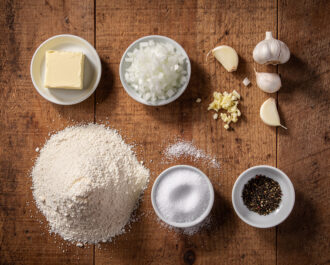
Gather your ingredients: 4 tbsp unsalted butter, 1 medium finely diced yellow onion, 2 minced garlic cloves, 2 cups cassava flour, 3/4 tsp salt, and 1/4 tsp freshly ground black pepper.
- Cook the Aromatics
Melt the butter in a large skillet or pan over medium-low heat. Add the diced onion and a pinch of salt. Cook, stirring frequently, for about 6-8 minutes until the onion is very soft and translucent, but not browned. Stir in the minced garlic and cook for just 1 more minute until fragrant.
- Toast the Cassava Flour
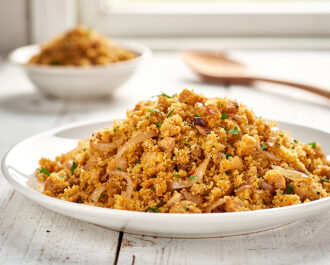
Add the cassava flour to the skillet. Using a wooden spoon, immediately begin stirring and folding the flour into the buttery onion mixture. Continue toasting the flour, stirring constantly, for 5 to 7 minutes. The mixture will become dry, crumbly, and turn a light golden brown. You’ll smell a distinct, nutty aroma.
- Season and Finish
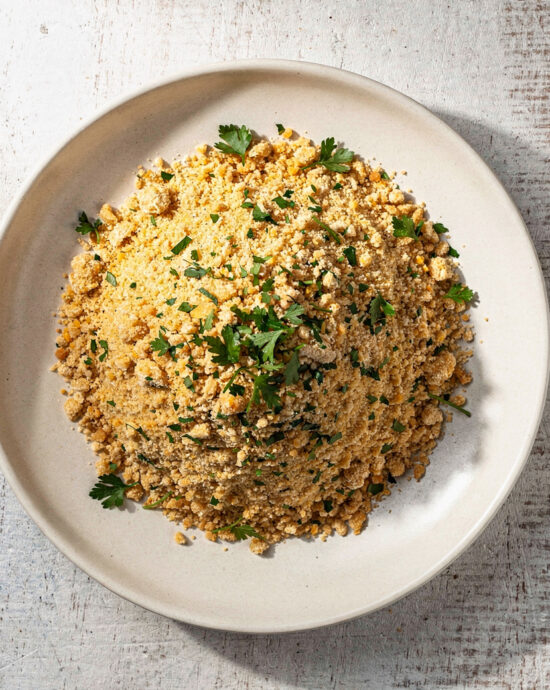
Remove the skillet from the heat. Season the toasted flour mixture with the remaining salt and the black pepper. Taste and adjust seasoning if needed. Let it cool slightly in the pan—it will crisp up further as it cools. Serve warm or at room temperature.
- Calories:180 kcal
- Protein:1 g
- Carbohydrates:25 g
- Sugar:1 g
- Salt:0.3 g
- Energy:753 kJ
- Fat:8 g
Picture this: a mountain of perfectly grilled meat, fluffy rice, and smoky black beans, just begging for the final touch. For me, that touch is a generous, crumbly spoonful of this glorious toasted cassava flour mixture. My love affair with this dish began on a friend’s back patio, where a simple bowl of farofa turned a great barbecue into a legendary feast. Today, I’m sharing my go-to farofa recipe, a side so essential it feels less like a condiment and more like the crunchy, savory soul of the plate.
Where Did This Farofa Recipe Come From?
Like many great staples, farofa has roots in survival and ingenuity. Indigenous peoples of Brazil used cassava, a starchy tuber, for centuries. Toasting the flour was a practical way to preserve it, transforming it into a shelf-stable, calorie-dense food. Portuguese settlers added their own touches—onions, garlic, fats—and over time, it became the beloved, endlessly adaptable cornerstone of farofa Brazilian food culture you find on tables from Rio to the Amazon.
The Secret to Farofa’s Irresistible Texture
So, what makes the best farofa? It’s all about the toast. You’re not just warming it up; you’re coaxing out a deep, nutty flavor and transforming the flour’s texture from soft powder to individual, buttery crumbs. The goal is a warm, golden mixture that’s subtly crisp, not sandy or greasy. A great brazilian farofa recipe achieves a delicate balance where the flour drinks up the flavorful fat without becoming heavy.
The One Pro-Tip That Changes Everything
My “aha!” moment came when I stopped rushing. The key is low and slow. You need patience to let the onions soften into a sweet, translucent base before adding the flour. If the pan is too hot, the butter burns, the onions stay raw, and the flour toasts unevenly. Treat this process like you’re coaxing flavor out of the ingredients, not chasing it. Trust me, the extra three minutes make all the difference between good and “can I have the whole bowl?”
Serving & Pairing: Think Beyond the Churrasco
Obviously, it’s the ultimate companion to grilled meats at a barbecue. But don’t stop there! Sprinkle it over a simple fried egg for a textural miracle (a deconstructed version of egg farofa), mix it into avocado halves, or use it to add crunch to a bowl of soup or stew. It’s the culinary equivalent of a great accent pillow—it makes everything better. For a drink, a crisp, cold pilsner or a caipirinha cuts through the richness perfectly.
Your Farofa, Your Way: Variations & Substitutions
The beauty of this dish is its flexibility. Craving more protein? Toss in some crumbled, crispy bacon or diced linguiça sausage with the onions. For a classic egg farofa, push the toasted flour to the side of the pan, scramble an egg or two in the cleared space, and then fold it all together. To make it a true farofa gluten free powerhouse, just double-check your cassava flour package. For a vegetarian version, use a good olive oil instead of butter. The core farofa ingredients are a blank canvas—add raisins, chopped olives, or fresh herbs like parsley or scallions at the end.
Make-Ahead & Storage Tips for Busy Cooks
This condiment is a meal-prep dream. It keeps beautifully in an airtight container at room temperature for up to 5 days. I often make a double batch on Sunday. The flavor even improves as it sits! If it seems a bit dry when you come back to it, a quick re-warm in a pan with a tiny knob of butter or drizzle of oil will bring it right back to life.
Your Farofa Recipe Questions, Answered
Can I use pre-toasted cassava flour?
You can, but I don’t recommend it for this farofa recipe. Part of the magic is toasting the flour in the flavorful fat, which allows it to absorb all that oniony, buttery goodness. Pre-toasted flour won’t soak it up in the same way.
What can I use if I can’t find cassava flour?
Authentic farofa relies on cassava. For a similar texture, you could try fine cornmeal (like what’s used for polenta), but toast it very carefully as it can burn quickly. For more on gluten-free flours and their uses, check out this great resource from Serious Eats.
And there you have it—your passport to one of the most satisfying textures in farofa food. This simple mixture has the power to turn an ordinary weeknight dinner into something special. I hope you’ll give it a try, make it your own, and discover why this humble side dish holds such an important place on the Brazilian table and in my own kitchen. Now, go grab a spoon and get toasting! I’d love to hear how yours turns out in the comments, or explore our recipe collection for more inspired sides.