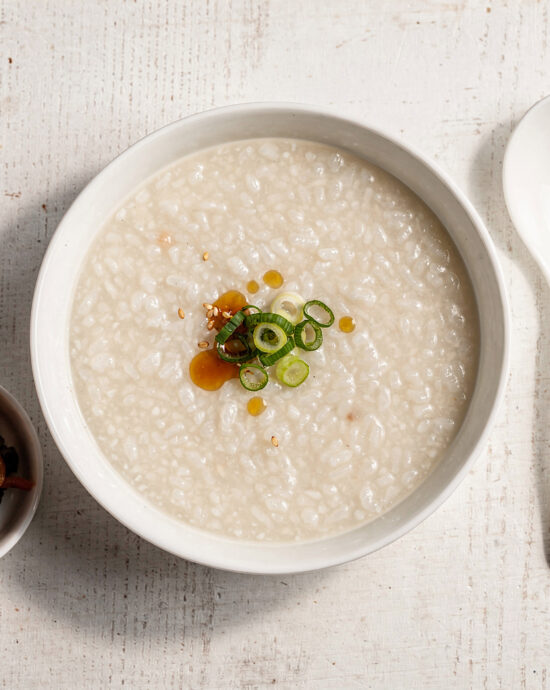

- Prepare the Ingredients

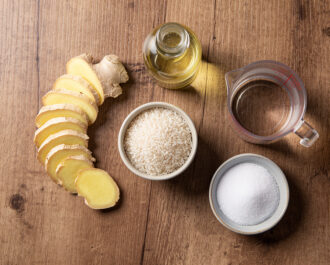
Gather 1 cup long-grain white rice, 8 cups water, 1 tsp neutral oil, three 1-inch slices of fresh ginger, and 1 tsp kosher salt. Rinse the rice in a fine-mesh strainer under cold water until the water runs mostly clear. This removes excess starch for a cleaner-tasting porridge.
- Toast the Rice
In a large, heavy-bottomed pot (like a Dutch oven), heat the oil over medium heat. Add the rinsed rice and ginger slices. Stir constantly for about 60-90 seconds. You'll smell a lovely, nutty aroma. This brief toast is the secret to a deeper flavor base.
- Simmer to Creaminess
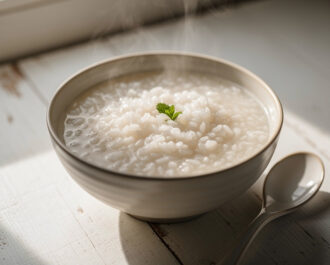
Carefully pour in the 8 cups of water and add the salt. Bring to a boil over high heat, then immediately reduce to the lowest possible simmer. Partially cover the pot, leaving a small crack for steam to escape. Cook for 1 hour and 15 minutes, stirring every 15-20 minutes to prevent sticking. The mixture will transform from watery to thick and creamy.
- Finish and Serve
After cooking, remove the ginger slices. The congee should have a uniform, silky consistency. Taste and adjust seasoning with more salt if needed. Ladle into bowls and garnish with your choice of toppings: a drizzle of sesame oil, sliced green onions, a dash of white pepper, or proteins like shredded chicken.
- Calories:180 kcal
- Protein:4 g
- Carbohydrates:38 g
- Sugar:g
- Salt:0.5 g
- Energy:753 kJ
- Fat:1.5 g
Few things soothe the soul quite like a bowl of warm, silky congee rice porridge. Whether it’s a foggy morning, a scratchy throat, or a simple craving for uncomplicated warmth, this dish is my ultimate kitchen hug. I’m going to show you how to make the perfect jook recipe—a stovetop method that transforms humble rice and water into a creamy, soulful asian porridge that feels both healing and celebratory.
The Timeless Tale of Congee Rice Porridge
This isn’t just breakfast; it’s history in a bowl. Congee (or jook, kanji, or okayu) has been the backbone of Chinese porridge recipes and across Asia for millennia. Born from frugality and wisdom, it’s the ultimate expression of making something profoundly satisfying from the simplest ingredients. It sustained emperors and farmers alike, proving luxury isn’t about cost, but care. This chinese breakfast porridge is more than food; it’s a quiet, daily ceremony.
Why This Simple Rice Porridge Is Special
The magic is in the texture. We’re not aiming for soup with rice in it, but a velvety emulsion where the rice grains have broken down completely, thickening the liquid into a smooth, almost custardy consistency. The flavor is deeply savory and clean, a perfect blank canvas. This is why an easy congee recipe is my go-to for anyone feeling under the weather—it’s gentle, hydrating, and easy to digest.
The One Tip That Changed My Congee Forever
My ‘aha!’ moment came when I stopped treating the rice like pasta. The key to that luxurious texture isn’t just long cooking, but starting with a brief fry. Toasting the rinsed rice with a little oil and ginger for a minute before adding water creates a nutty base note and helps the grains break down more evenly. It’s a tiny step from Serious Eats that makes a world of difference in your chinese rice porridge recipe.
Your Go-To Stovetop Congee Recipe
This is my foundational plain congee recipe. It’s beautifully simple, designed to be dressed up with endless toppings. It’s also the perfect base for learning how to make congee in a rice cooker or slow cooker—once you master the stovetop version, you can adapt the ratios for any appliance.