

- Prepare the Ingredients

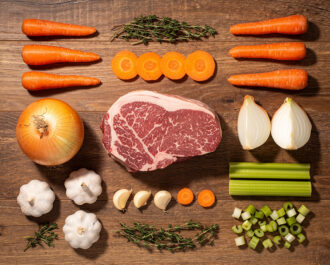
Pat the 3.5 lb chuck roast completely dry with paper towels. Season all over with 2 tsp kosher salt and 1 tsp black pepper. Dredge lightly in the 2 tbsp all-purpose flour, shaking off any excess. Chop 1 large yellow onion, cut 4 medium carrots into 2-inch pieces, chop 2 celery stalks, and mince 4 garlic cloves. Measure out 2 tbsp tomato paste, 1 cup dry red wine, and 2 cups low-sodium beef broth. Gather 4 fresh thyme sprigs and 1 bay leaf.
- Sear the Roast
Preheat your oven to 325°F (165°C). In a large Dutch oven or heavy oven-safe pot, heat the 2 tbsp olive oil over medium-high heat until shimmering. Carefully add the seasoned roast. Sear without moving for 4-5 minutes per side, until a deep, dark brown crust forms. Transfer the seared roast to a plate.
- Build the Flavor Base
Reduce the heat to medium. Add the chopped onion, carrots, and celery to the pot. Cook, stirring occasionally, for 6-8 minutes until the vegetables begin to soften and brown slightly. Add the minced garlic and tomato paste, stirring constantly for 1 minute until fragrant. Pour in the red wine, scraping the bottom of the pot with a wooden spoon to release all the browned bits. Let the wine simmer vigorously until reduced by about half, 4-5 minutes.
- Braise to Tenderness
Pour in the beef broth and add the thyme sprigs and bay leaf. Bring the mixture to a gentle simmer. Return the seared chuck roast to the pot, nestling it into the liquid and vegetables. The liquid should come about halfway up the sides of the roast. Cover the pot with a tight-fitting lid and transfer it to the preheated oven. Braise for 3 to 3.5 hours, until the meat is fork-tender.
- Rest and Serve
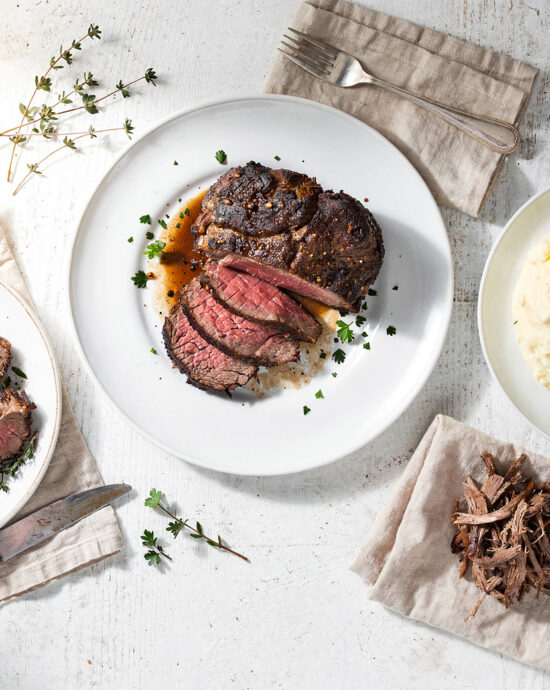
Carefully remove the pot from the oven. Using tongs or two large forks, gently transfer the tender roast to a cutting board or platter. Tent loosely with foil and let it rest for 15-20 minutes. Meanwhile, you can skim any excess fat from the surface of the braising liquid and vegetables. Slice or shred the beef as desired, spoon the vegetables and rich gravy over the top, and serve immediately.
- Calories:520 kcal
- Protein:48 g
- Carbohydrates:12 g
- Sugar:4 g
- Salt:1.2 g
- Energy:2175 kJ
- Fat:28 g
Few things signal a home-cooked meal to me like the rich, beefy aroma of a pot roast filling the house. There’s a specific kind of lazy-Sunday comfort in it, a promise of tenderness that only time can deliver. If you’ve ever found yourself browsing chuck roast recipes, searching for that perfect balance of ease and deep flavor, you’ve come to the right spot. I’m about to share my go-to oven-braised version. It’s the kind of dish that makes you feel like a kitchen hero with minimal effort. Moreover, it turns a humble, economical cut into something truly luxurious.
The Humble Glory of This Chuck Roast Recipes
This method isn’t about reinventing the wheel. It’s about respecting a classic. Chuck roast comes from the shoulder of the cow, a well-exercised muscle laced with connective tissue and marbling. The magic happens with low, slow heat, transforming that tough collagen into unctuous gelatin. The result? Meat that doesn’t just fall apart—it surrenders willingly to the gentlest touch of a fork. This is the heart of great chuck roast recipes.
The Power of Simple Aromatics
Don’t underestimate the supporting cast. We build a flavor base—a sofrito of sorts—with onion, carrot, and celery. As they soften in the rendered beef fat, their natural sugars caramelize, creating a foundation of sweetness to balance the savory depth. A generous splash of red wine deglazes the pot, scraping up all those delicious browned bits (the fond), which is where a huge amount of flavor lives. A pro-tip I learned the hard way: let the wine reduce almost completely before adding the broth. Cooking off the raw alcohol sharpens the flavor and concentrates the fruitiness, which marries beautifully with the beef. My aha moment was realizing this step alone elevated my pot roast from good to restaurant-worthy.
Serving & Pairing Ideas
While mashed potatoes are the classic (and glorious) pairing, think beyond the spud. Creamy polenta is a dream, sopping up every drop of that rich jus. For a lighter touch, a pile of buttery egg noodles or a crusty loaf of sourdough works perfectly. For vegetables, I love roasted carrots or a bright, vinegary green salad to cut through the richness. Beverage-wise, stick with the wine you used for cooking—a medium-bodied red like a Syrah or Malbec. The pairing is seamless.
Variations & Substitutions
This recipe is wonderfully adaptable. No red wine? Use a dark beer or extra beef broth with a tablespoon of tomato paste. For a deeper, almost smoky flavor, substitute a cup of the broth for strong coffee—it sounds wild, but it works. Short on time? After searing, transfer everything to a slow cooker on low for 8 hours. For a gluten-free version, simply thicken the sauce at the end with a cornstarch slurry instead of a flour-based roux. The core principles of great chuck roast recipes remain.
Make-Ahead & Storage Tips
This dish arguably tastes better the next day, as flavors continue to meld. Let it cool completely, then store the meat and gravy together in an airtight container in the fridge for up to 4 days. Reheat gently on the stovetop. You can also freeze it for up to 3 months. Thaw overnight in the refrigerator before reheating. For more make-ahead inspiration, browse our recipe collection.
Frequently Asked Questions
Can I use a different cut of beef? Chuck is ideal for braising. Other good options are brisket or bottom round, but cooking times may vary slightly.
Why is my roast tough? It likely needs more time. The meat is done when it’s fork-tender. If it resists, give it another 30 minutes and check again. Low and slow is non-negotiable.
How do I make the gravy thicker? After removing the meat and vegetables, bring the liquid to a simmer. Mix 2 tablespoons of softened butter with 2 tablespoons of flour into a paste (a beurre manié). Whisk it in, in small bits, until the sauce reaches your desired consistency. For a deeper dive on this technique, check out this guide on Serious Eats.
So, there you have it—my ultimate guide to mastering this comforting classic. It’s a testament to the power of patience and simple ingredients. I promise, once you smell that roast braising away, you’ll understand why these chuck roast recipes are keepers. Now, go preheat your oven. Your kitchen (and your stomach) will thank you. Let me know how it turns out in the comments!