
- Prepare the Ingredients

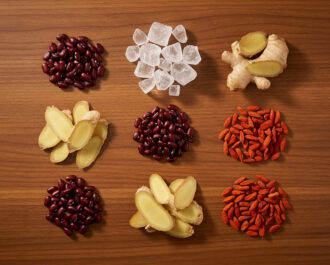
Rinse the dried red beans under cold water until the water runs clear. Peel and slice the ginger. Measure out the sugar and goji berries.
- Cook the Beans
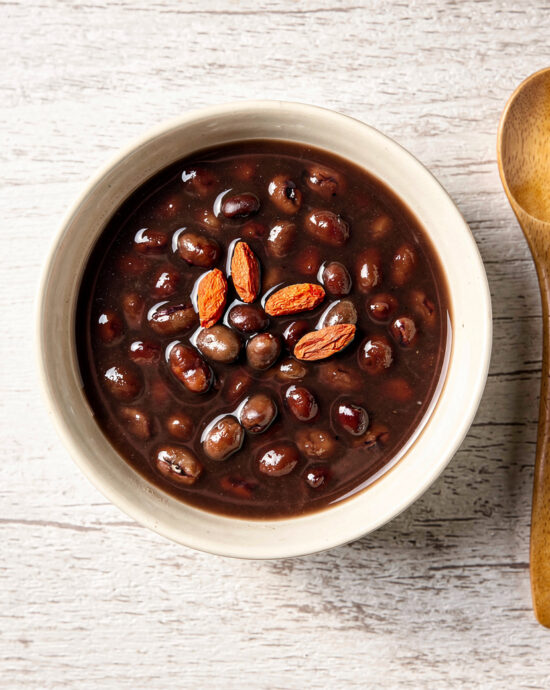
In a large pot, combine the rinsed beans and water. Add the ginger slices. Bring to a boil over high heat, then reduce to a low simmer. Cover and cook for 1 to 1.5 hours, stirring occasionally, until the beans are very tender and starting to break apart.
- Sweeten the Soup
Once the beans are tender, add the rock sugar or granulated sugar. Stir until completely dissolved. Continue to simmer uncovered for another 15-20 minutes to allow the soup to thicken slightly. Taste and adjust sweetness if desired.
- Serve and Garnish
Ladle the hot soup into bowls. Garnish each serving with a few goji berries. Serve immediately while warm for the best flavor and texture.

- Calories:160 kcal
- Protein:6 g
- Carbohydrates:32 g
- Sugar:16 g
- Salt:0.1 g
- Energy:670 kJ
- Fat:0.5 g
There’s a particular joy in ending a Chinese feast with something subtly sweet. Unlike Western pastries, chinese desserts often prioritize texture and gentle sweetness over sugar overload. From warming soups to chewy dumplings, this category of sweets is a treasure trove of comfort. I remember my first taste of red bean soup—it was a revelation. Let’s dive into the delightful world of these treats, starting with a classic recipe that’s both authentic and easy to make.
The Rich Tapestry of Chinese Desserts
Desserts in Chinese cuisine have ancient roots, often linked to medicinal foods and seasonal festivals. Ingredients like red beans, lotus seeds, and glutinous rice were cherished for their health benefits as much as their flavor. Over centuries, these evolved into the desserts we love today, each with a story. For instance, sweet soups were served to royalty, while festive sweets like nian gao became staples for Lunar New Year.
What Makes Asian Sweets Special
What sets this realm apart is its emphasis on balance. They’re rarely cloying; instead, they offer a nuanced sweetness that complements rather than overwhelms. Textures play a starring role—think of the silky smoothness of almond tofu or the satisfying chew of tangyuan. This overview will guide you through popular chinese dessert recipes, from the most famous to hidden gems.
Pro Tip: The Secret to Perfect Red Bean Soup
For our featured recipe, the key is patience. Soaking the red beans overnight ensures they cook evenly and become tender without falling apart. If you’re short on time, a quick soak in boiling water for an hour works too. But trust me, the overnight method yields a creamier, more luxurious soup. I used to skip this step and wondered why my soup was always a bit gritty—now I never do.
Serving & Pairing Ideas
Serve red bean soup warm in small bowls, perhaps garnished with a few goji berries for a pop of color. It pairs beautifully with a light oolong tea, which cuts through the sweetness and cleanses the palate. For a more substantial dessert to go with chinese food, consider adding some almond cookies alongside.
Variations & Substitutions: Endless Chinese Dessert Ideas
If red bean soup isn’t your thing, don’t worry—there are plenty of other chinese dessert recipes easy to try. For a cold option, make almond tofu, a refreshing jelly-like dessert. During Lunar New Year, whip up some nian gao for a festive touch. Looking for vegan chinese dessert options? Many traditional sweets are naturally plant-based, like sweet potato soup. You can also experiment with modern chinese desserts by adding twists like matcha. For more inspiration, explore our recipe collection or resources on Serious Eats.
Make-Ahead & Storage Tips
Red bean soup stores wonderfully. Let it cool completely, then transfer to an airtight container. It will keep in the refrigerator for up to 5 days, and the flavors actually deepen over time. Reheat gently on the stove or in the microwave. You can also freeze it for up to 3 months—just thaw and reheat when needed.
Frequently Asked Questions
Q: What are some common chinese desserts for beginners?
A: Start with simple chinese dessert recipes like red bean soup or steamed egg custard. They require minimal ingredients and techniques, making them perfect for novice cooks seeking an authentic chinese dessert.
Q: Can I make chinese desserts without special equipment?
A: Absolutely! Most traditional asian dessert recipes need only basic pots and pans. For example, our red bean soup uses a standard saucepan, making it an easy asian dessert to make at home.
I hope this journey through chinese desserts inspires you to try making your own. Whether you’re craving a comforting soup or a festive treat for Lunar New Year, there’s a sweet waiting for you. So grab your apron, and let’s get cooking—I’d love to hear about your creations in the comments!