
- Prepare the Ingredients & Marinate

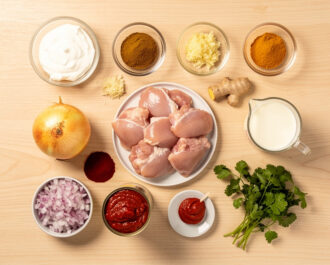
In a large bowl, whisk together the Greek yogurt, 2 cloves of the minced garlic, the grated ginger, 1 tablespoon of the garam masala, the cumin, Kashmiri chili powder, turmeric, and 1 teaspoon of salt. Add the chicken thighs and toss to coat thoroughly. Cover and refrigerate for at least 30 minutes, or up to 4 hours.
- Cook the Chicken
Heat 1 tablespoon of the vegetable oil in a large skillet or Dutch oven over medium-high heat. Remove the chicken from the marinade, letting excess drip off. Working in batches to avoid crowding, cook the chicken until browned on all sides, about 3-4 minutes per side. The chicken will not be cooked through. Transfer to a clean plate and set aside.
- Build the Sauce
In the same pot, melt the butter with the remaining 1 tablespoon of oil over medium heat. Add the diced onion and cook, stirring occasionally, until softened and golden, about 8 minutes. Add the remaining 2 cloves of minced garlic and cook for 1 minute until fragrant. Stir in the tomato paste and remaining 1 tablespoon of garam masala, cooking for another minute to toast the spices.
- Simmer & Finish
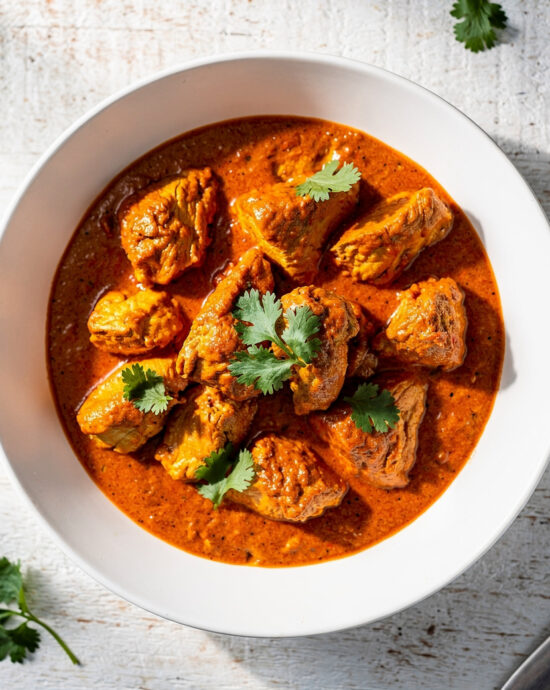
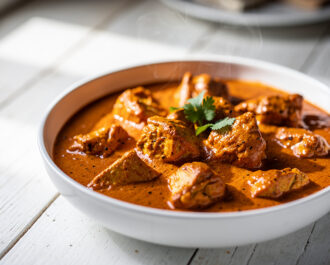
Pour in the crushed tomatoes, bring to a simmer, and cook uncovered for 10-15 minutes, stirring occasionally, until the sauce has thickened slightly and the oil begins to separate at the edges. Reduce the heat to low. Cut the partially cooked chicken into bite-sized pieces and add them back to the pot along with any accumulated juices. Simmer gently for 8-10 minutes, until the chicken is cooked through. Remove the pot from the heat. Slowly stir in the heavy cream until fully incorporated and the sauce is silky smooth. Garnish with fresh cilantro before serving.
- Calories:580 kcal
- Protein:38 g
- Carbohydrates:18 g
- Sugar:10 g
- Salt:1.2 g
- Energy:2425 kJ
- Fat:38 g
Let’s be honest, we’ve all had those moments. You’re craving the impossibly creamy, tomatoey goodness of a great chicken tikka masala, but the idea of takeout feels predictable. What if I told you that the most deeply satisfying version is the one you can make in your own kitchen? It’s not about culinary acrobatics; it’s about understanding a few key moves. I learned this the hard way—after years of timidly following rigid recipes, a single, simple trick (which I’ll share in a moment) changed the entire texture of the sauce for me. This dish is a hug in a bowl, and making it yourself lets you tailor that hug exactly to your liking.
The Deliciously Muddy History of Chicken Tikka Masala
The origin story of chicken tikka masala is as wonderfully tangled as its flavor profile. The most popular legend, which I dearly love, involves a customer in a Glasgow curry house in the 1970s complaining their chicken tikka was too dry. A quick-thinking chef allegedly whipped up a spiced tomato and cream sauce to soothe the situation, and a global icon was born. Whether fact or fable, it perfectly captures the dish’s spirit: a brilliant, improvisational solution that creates something greater than the sum of its parts. It’s a dish born from necessity and a desire for comfort, which is exactly how we often cook at home.
What Makes This Version Stand Out
Forget about watery, grainy sauces. The magic here is in the emulsion—the beautiful, silky marriage of the spiced tomato base with rich cream. The key is patience. Let the tomato mixture cook down until it deepens in color and the oil starts to separate at the edges. This concentrated flavor forms the foundation. Then, the cream is added off the heat and stirred in gently, creating a luxuriously smooth, clinging sauce that coats each piece of marinated chicken beautifully.
The Pro-Tip: The Yogurt Marinade Secret
Here’s the “aha!” moment I promised. The secret to incredibly tender, flavorful chicken isn’t a long marination (though an hour helps), but the yogurt itself. Use full-fat, plain Greek yogurt. Its thickness clings to the chicken better than the runny stuff, and the lactic acid tenderizes the meat without turning it mushy. Whisk it smooth with the spices before adding the chicken. Trust me, this one change elevates the entire texture of your finished dish.
Serving & Pairing: Beyond the Basic Naan
Obviously, a pile of fluffy basmati rice or warm, charred naan is non-negotiable for soaking up every last drop of sauce. But let’s think outside the box for a moment. A crisp, cool cucumber raita with mint cuts through the richness perfectly. For a drink, skip the heavy beer and try a slightly effervescent, off-dry cider—its apple notes are a fantastic foil to the warm spices. And if you’re feeling adventurous, a side of simply roasted cauliflower florets tossed in the same spice blend used for the marinade is a glorious, healthy companion.
Variations & Substitutions for Your Kitchen
The beauty of this chicken tikka masala recipe is its adaptability. For a dairy-free version, swap the heavy cream for full-fat coconut milk (it adds a lovely subtle sweetness) and use a plant-based yogurt in the marinade. Not a fan of chicken? Firm tofu or even chickpeas make a fantastic vegetarian alternative—just adjust cooking times. If you want to explore other takes on a classic chicken tikka masala recipe, the team at Serious Eats has some brilliantly researched versions worth checking out for inspiration.
Make-Ahead & Storage Wisdom
This is a brilliant meal-prep hero. The flavors meld and deepen overnight, making leftovers arguably better. Store cooled portions in an airtight container in the fridge for up to 4 days. You can also freeze the sauce (without the cream added) for up to 3 months; just thaw, reheat gently, and stir in the fresh cream at the end to preserve that silky texture. The marinated chicken can be frozen raw, ready for a future feast.
Your Chicken Tikka Masala Questions, Answered
Can I use chicken breasts instead of thighs? You can, but be vigilant. Thighs are more forgiving and stay juicier, but breasts work if you don’t overcook them. Reduce the initial sear time by a minute or two.
My sauce split! How do I fix it? Don’t panic. Remove it from the heat immediately. Add a tablespoon of cold water or cream and whisk vigorously. It should come back together. Next time, add the cream off the heat and stir gently.
Is it really that spicy? This version has a warm, gentle heat. The real fire comes from the Kashmiri chili powder or paprika. For more kick, add a pinch of cayenne with the other spices. For less, simply reduce or omit it.
So there you have it. A roadmap to a dish that feels both impressively restaurant-quality and deeply, satisfyingly homemade. This isn’t about replicating a takeout menu; it’s about creating a nourishing, flavorful centerpiece for your table. Now, go preheat that skillet. Your own perfect bowl of creamy, spiced comfort is waiting. I’d love to hear how yours turns out—tell me in the comments below what twist you added!