
- Prepare the Ingredients

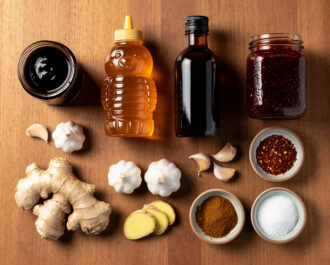
Gather all ingredients: 1/2 cup hoisin sauce, 1/3 cup honey, 1/4 cup soy sauce, 1/4 cup Shaoxing wine, 3 tbsp fermented red bean paste, 4 cloves minced garlic, 1 tbsp grated ginger, 1 tsp five-spice powder, 1/2 tsp white pepper, 1/4 tsp red food coloring (optional), and 1 tsp toasted sesame oil.
- Combine and Simmer
In a medium saucepan, whisk together the hoisin sauce, honey, soy sauce, Shaoxing wine, and fermented red bean paste until smooth. Add the minced garlic, grated ginger, five-spice powder, white pepper, and optional red food coloring. Place the saucepan over medium heat and bring the mixture to a gentle simmer, whisking frequently.
- Thicken the Sauce
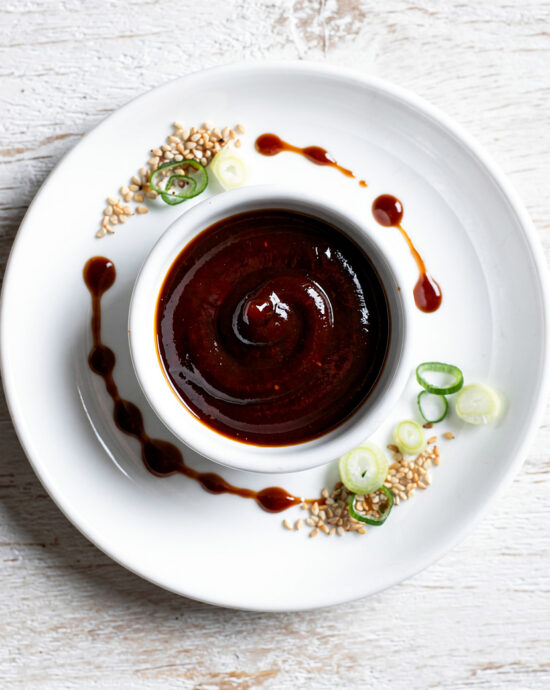
Reduce the heat to medium-low to maintain a low, lazy simmer. Let the sauce cook for 8-10 minutes, stirring occasionally, until it thickens slightly and coats the back of a spoon. It should have a glossy, syrup-like consistency.
- Finish and Cool
Remove the saucepan from the heat. Stir in the toasted sesame oil. Let the char siu sauce cool completely before using it as a marinade. For immediate use as a glaze or dipping sauce, it is ready. If storing, transfer to a clean jar or container.
- Calories:120 kcal
- Protein:2 g
- Carbohydrates:25 g
- Sugar:20 g
- Salt:0.8 g
- Energy:500 kJ
- Fat:1 g
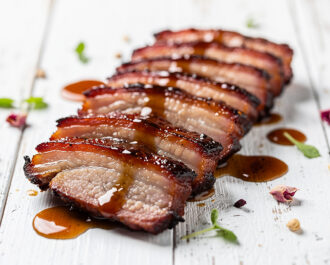
It was a dingy takeout container that started it all—that small, lidded tub holding something more precious than gold: a sticky, red, aromatic char siu sauce. It was the soul of those lacquered roast pork ribs, and for years, I thought its magic was locked away in restaurant kitchens. I was so wrong. Making your own char siu sauce isn’t just possible; it’s a revelation that unlocks a world of flavor, from a quick weeknight chicken marinade to a slow-cooked rack of ribs with that iconic Chinese red sauce. This is your easy char siu sauce recipe, the one you’ll make again and again.
The Legend Behind Char Siu Sauce
The name translates to “fork-roasted,” a nod to the traditional Cantonese method of skewering seasoned pork and roasting it over an open fire. The key to its legendary status is the signature Chinese red barbecue sauce. While some recipes for char siew sauce rely on a pre-made paste or powder mix (like a char siu packet), the authentic base is a beautifully simple combination of fermented bean pastes, sugar, and aromatics. My version hits all the right notes: sweet from honey and hoisin, a savory funk from fermented bean paste, a gentle warmth from five-spice, and that essential glossy, sticky cling.
The Holy Grail of Homemade Chinese BBQ Sauce
What makes this mixture special is its versatility. It’s not just a char siu marinade; it’s a multipurpose powerhouse. As a marinade, it deeply penetrates pork, chicken, or even tofu. As a glaze, it transforms in the heat, caramelizing into that perfect, lacquered shell. As a finishing sauce, it adds a final punch of flavor. The secret to its texture? A touch of maltose or extra honey, which gives it that perfect, coating viscosity without being syrupy. It’s the difference between a good sauce and the best char siu sauce.
The Pro-Tip: Low and Slow for Maximum Gloss
My ‘aha!’ moment came when I stopped rushing. Whether you’re using this as an Asian BBQ pork marinade or simmering it down into a rib glaze, patience is key. Always simmer the sauce gently. A rolling boil can cause the sugars to seize or burn, resulting in a grainy texture instead of that silky-smooth finish. Aim for a lazy bubble, and give it time to thicken naturally. As a result, you’ll get a professional-looking Chinese sticky BBQ sauce every time.
Serving & Pairing: Think Beyond the Pork
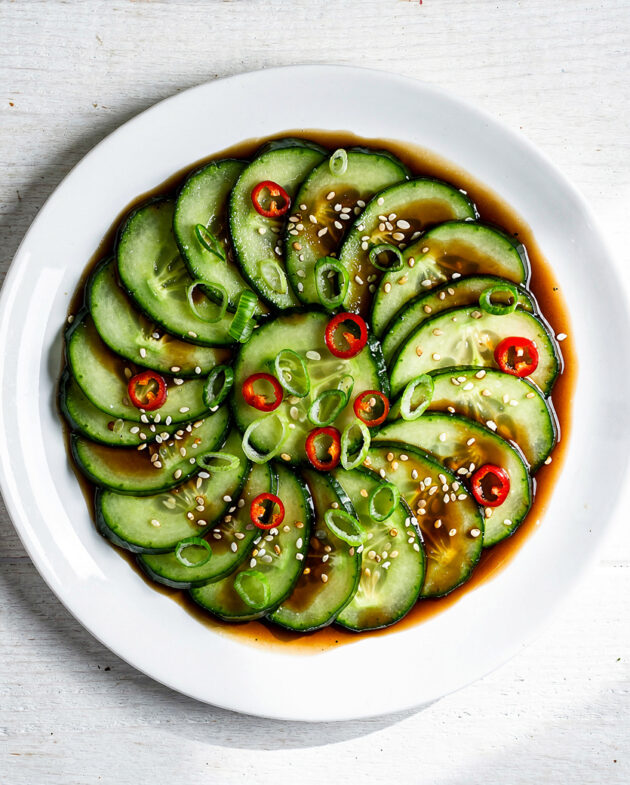
Obviously, it’s heavenly on Chinese roast pork or boneless spare ribs. But don’t stop there! Brush it on grilled chicken wings for an instant Asian rib sauce vibe, use it as a stir-fry sauce base, or even toss roasted cauliflower in it. For pairing, I love the contrast of a crisp, cold lager or a slightly sweet Riesling to cut through the richness. Meanwhile, serve it with simple steamed jasmine rice and quick-pickled cucumbers to balance the bold flavors.
Variations & Clever Substitutions
No fermented red bean paste? A combination of hoisin sauce and a dollop of miso makes a great char siu sauce substitute. For a Hawaiian char siu marinade twist, add a splash of pineapple juice. If you’re looking for a dry option, you can blend the spices from this recipe into a Chinese BBQ rub or char siu dry rub. Moreover, this easy chinese bbq sauce is naturally gluten-free if you use tamari instead of soy sauce, and you can swap the honey for maple syrup for a vegan Chinese BBQ sauce.
Make-Ahead & Storage Wisdom
This homemade char siu sauce is a meal-prep hero. It keeps beautifully in the fridge for up to two weeks, and the flavors meld and improve over time. You can also freeze it for up to three months. I often double the batch—one for now, one for later. For a quick weeknight dinner, marinate chicken thighs or pork chops in a ziplock bag overnight; you’ll have the foundation for an incredible Chinese barbecue sauce for chicken ready to go.
Your Char Siu Sauce FAQs
Can I use this as a Chinese spare rib sauce? Absolutely! It’s perfect for ribs. Use it as a marinade overnight, then baste during the last 20-30 minutes of cooking for that classic Chinese red rib sauce glaze.
What’s the difference between this and a store-bought char siu powder mix? Homemade gives you control over the salt, sugar, and quality of ingredients. Those powder mixes or char siu seasoning packets are convenient but often contain stabilizers and lack the deep, fermented complexity you get from the real deal. My friend over at Serious Eats has a great deep dive into the science of marinades if you’re curious.
My sauce is too thin. How do I thicken it? Simply simmer it for a few more minutes to reduce and concentrate it. You can also make a quick slurry with a teaspoon of cornstarch and a tablespoon of cold water, whisk it in, and simmer for one minute until glossy.
So, there you have it. Your kitchen now holds the key to that iconic, sticky-sweet magic. Ditch the takeout tub and make this sauce your own. I promise, once you taste the depth of flavor in your homemade version, there’s no going back. Now, get to the kitchen, and let me know in the comments what you create first! For more inspiration, browse our recipe collection.