
- Prepare the Ingredients

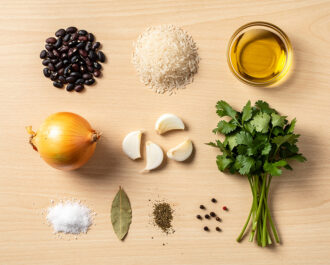
Gather all ingredients: 1 cup dried black beans (sorted and rinsed), 1.5 cups white long-grain rice, 1 medium yellow onion (finely chopped), 4 garlic cloves (minced), 3 tbsp olive oil, 1 bay leaf, 4 cups water or broth, 2 tsp salt, 1/2 tsp black pepper, and 1/4 cup chopped fresh cilantro.
- Cook the Beans
In a medium pot, combine the rinsed beans, bay leaf, and 4 cups of water or broth. Bring to a boil, then reduce heat to a steady simmer. Partially cover and cook for 45-60 minutes, or until the beans are tender but not mushy. Season with 1 tsp of salt halfway through cooking. Once done, remove the bay leaf but keep the beans in their cooking liquid.
- Toast the Rice
While the beans simmer, heat 2 tbsp of oil in a separate saucepan over medium heat. Add the chopped onion and cook until soft and translucent, about 5 minutes. Add the minced garlic and cook for another 60 seconds until fragrant. Add the dry rice and stir constantly for 2-3 minutes until the grains become slightly opaque and toasted.
- Finish the Rice & Serve
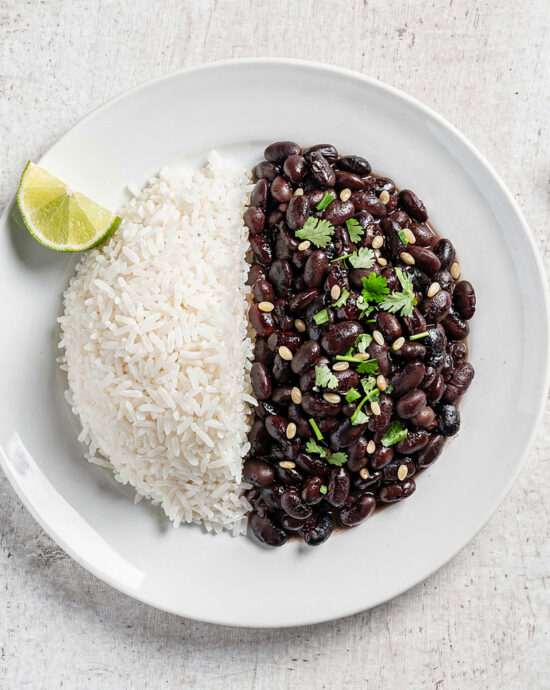
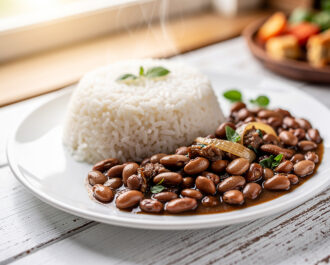
To the toasted rice, add 3 cups of water or broth and the remaining 1 tsp of salt. Bring to a boil, then immediately reduce heat to the lowest setting. Cover tightly and cook for 18-20 minutes. Remove from heat and let it steam, covered, for 5 more minutes. Fluff with a fork. To serve, spoon the fluffy rice next to a ladle of beans and their broth. Drizzle the beans with the remaining 1 tbsp of olive oil, sprinkle with black pepper and fresh cilantro.
- Calories:280 kcal
- Protein:10 g
- Carbohydrates:48 g
- Sugar:2 g
- Salt:1.2 g
- Energy:1172 kJ
- Fat:7 g
I’ll be honest, the first time I made a proper pot of brazilian rice and beans, I thought I’d done something wrong. Where was the thick, saucy texture? Why did the rice seem so… separate? Then I took a bite. The grains were perfectly fluffy, each one lightly coated in the savory, garlicky oil from the beans, which themselves were tender but intact, swimming in a deeply seasoned, brothy liquid. It was a revelation. This isn’t a mushy, combined affair; it’s a harmonious duet where each component shines. Mastering this staple is like learning the rhythm of Brazilian home cooking—and once you get it, you’ll crave its comforting, straightforward goodness weekly.
The Humble History of Brazilian Rice and Beans
This dish isn’t just food; it’s a daily ritual, the bedrock of the Brazilian table. Its roots are a beautiful, tangled story of indigenous, Portuguese, and African influences. The beans, often black or pinto, were native. The rice came with the colonizers. The technique of sautéing aromatics before adding the grains or legumes, however, has hints of West African culinary wisdom. Over centuries, it evolved from sustenance to a symbol of national identity, a simple yet profound expression of “mistura”—the mix on your plate. Every family has their version, but the soul remains the same.
Cracking the Code: The Secret to Perfect Texture
What makes my brazilian beans and rice recipe special isn’t a secret ingredient, but a technique. The rice is cooked separately, often in the flavorful oil left from sautéing garlic and onion, which gives it an incredible savory base. The beans are cooked until just tender in a well-seasoned broth, never to disintegration. When served side-by-side, you get to control the ratio in every forkful. The “caldinho” (little broth) from the beans is meant to moisten the rice, creating a sauce that’s light yet packed with flavor. It’s this specific, intentional separation that defines the authentic experience.
Your Non-Negotiable Pro-Tip for Brazilian Rice and Beans
Here’s the game-changer: don’t rinse your rice after you sauté it. I know, it goes against every “fluffy rice” rule you’ve ever heard. But that light coating of starch is crucial. When you add the hot water or broth to the pan of toasted rice and aromatics, that starch helps create a slight emulsion, giving each grain a silky, individual quality instead of a dry, separate one. It’s the difference between rice that simply accompanies the beans and rice that’s an active, flavorful partner. Trust me on this one.
Serving & The Perfect Pairings
While this duo is a magnificent side, it truly comes alive as part of a larger spread. Traditionally, it’s the foundation for a “prato feito” (a mixed plate) alongside a protein like grilled chicken, steak, or fish. For a stunning vegetarian meal, top it with a fried egg and some sautéed collard greens. A simple, crunchy vinagrete salsa (diced tomatoes, onions, vinegar) on the side cuts through the richness beautifully. Drink pairing? A cold, crisp lager is classic, but a limeade or even a light red wine works wonderfully.
Variations & Substitutions for Every Kitchen
The beauty of this template is its flexibility. For a classic brazilian black beans and rice, use black beans (feijão preto) and add a bay leaf. The iconic black beans and rice brazilian style is essential for a Feijoada meal. Prefer a lighter bean? Try a brazilian red beans and rice version using kidney or pinto beans. For a quicker rice and beans brazilian recipe, quality canned beans are fine—just use their liquid and adjust simmering time. Vegan? Use olive oil and vegetable broth. Out of fresh cilantro? Flat-leaf parsley works in a pinch.
Make-Ahead & Storage Wisdom
This dish is a meal-prepper’s dream. Both components keep beautifully for 4-5 days in the fridge, and the flavors often marry and improve. Store them separately for best texture. Reheat gently on the stove with a splash of water to revive the rice. The beans and their broth freeze exceptionally well for up to 3 months. I often make a double batch of beans specifically for this purpose. Having a container of this base in your freezer is like a culinary security blanket for busy weeks.
Your Brazilian Rice and Beans Questions, Answered
Can I use a rice cooker?
You can, but you’ll miss the crucial step of toasting the rice in the aromatic oil. If you must, sauté your onion and garlic in a pan first, then transfer it all to the cooker with the liquid.
My beans are too watery/brothy. How do I fix it?
Let them simmer uncovered to reduce and concentrate the liquid. Conversely, if they’re too thick, add a bit more hot water or broth. The consistency should be like a hearty soup, not a paste.
What’s the best type of bean to use?
In Brazil, it varies by region. Black beans (feijão preto) are most famous, but pinto (feijão carioca) and red kidney beans are also incredibly common and delicious. Choose what you love or have on hand.
So there you have it. More than just a recipe, it’s an invitation to slow down and savor the simple things. The sizzle of garlic in oil, the gentle simmer of beans, the quiet puff of rice finishing its cook. This dish asks for patience but repays you tenfold in comfort. I’d love to hear how your version turns out—tag me on social or leave a comment below. Now, go put on some samba, pour yourself a drink, and get cooking. Your kitchen is about to smell incredible.
For more deep dives into foundational cooking techniques that make all the difference, I always recommend checking out the brilliant folks at Serious Eats. Their research has saved many of my dinners!