
- Prepare the Ingredients

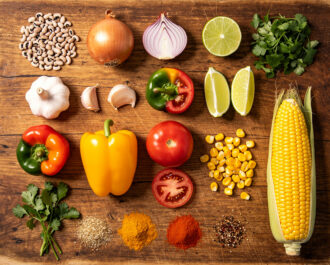
Dice 1 medium yellow onion, 1 large tomato, and 1 red bell pepper. Mince 3 garlic cloves and 1 serrano pepper (remove seeds for less heat). Rinse 1 cup of dried black-eyed peas and pick out any debris. Measure 1 cup of corn kernels, 4 cups of vegetable broth, 2 tbsp olive oil, 3 tbsp fresh lime juice, and ½ cup chopped cilantro. Have 1 bay leaf, 1 tsp ground cumin, 1 tsp salt, and ½ tsp black pepper ready.
- Sweat the Aromatics
In a large pot or Dutch oven, heat the 2 tbsp of olive oil over medium heat. Add the diced onion and a pinch of salt. Cook, stirring occasionally, for about 5 minutes until the onion is soft and translucent. Add the minced garlic and serrano pepper and cook for another minute until fragrant.
- Build the Stew Base
Add the diced red bell pepper and tomato to the pot. Cook for 3-4 minutes, until the tomato starts to break down. Stir in the rinsed black-eyed peas, bay leaf, ground cumin, salt, and black pepper. Pour in the 4 cups of vegetable broth. Bring to a boil, then reduce heat to a gentle simmer. Cover and cook for 30-35 minutes, or until the beans are tender.
- Creamify and Finish
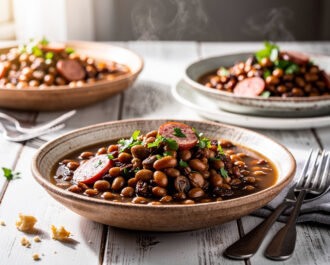
Once the beans are tender, remove the bay leaf. Using a ladle, scoop out about 1 cup of the cooked beans along with a little broth. Carefully purée this in a blender until completely smooth. Stir this creamy bean mixture back into the pot. Add the corn kernels and simmer, uncovered, for another 5 minutes. Remove from heat and stir in the fresh lime juice and chopped cilantro. Taste and adjust seasoning with more salt, pepper, or lime juice as needed.
- Calories:285 kcal
- Protein:14 g
- Carbohydrates:46 g
- Sugar:8 g
- Salt:1.2 g
- Energy:1192 kJ
- Fat:8 g
I still remember the first time I tasted a truly great Brazilian bean dish. It was at a little hole-in-the-wall in Salvador, Bahia. The bowl arrived, the beans swimming in a broth so fragrant and complex I had to pause, spoon in hand. That single bite taught me that the best Brazilian bean recipes aren’t just a side dish—they’re a full-on sensory journey. The secret? Turning humble legumes into something ridiculously creamy and bright, a trick I’m thrilled to share with you today.
The Humble Legend Behind Brazilian Bean Recipes
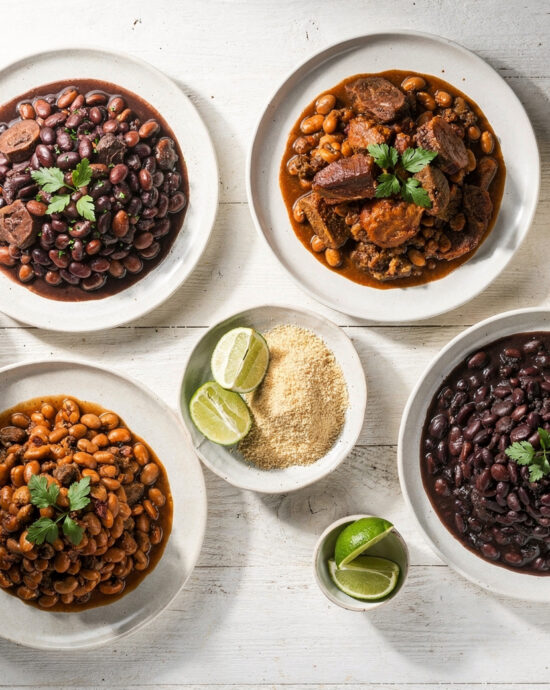
This specific stew, known as Feijão de Fradinho, has its roots in Bahia’s vibrant northeastern coast. Born from a beautiful marriage of African, Portuguese, and indigenous ingredients, it transforms the unassuming black-eyed pea into a star. Unlike some of its heavier, slow-cooked cousins, this preparation is all about brightness and texture, proving that simple pantry staples can create pure magic.
What Makes This Creamy Stew Special
What sets these Brazilian bean recipes apart is their masterful balancing act. We’re building layers of flavor: the subtle earthiness of the black-eyed peas, the gentle heat of a fresh chile, the sweet pop of corn, and that all-important, sunshine-bright lift from fresh lime juice. The real aha moment for me was blending a portion of the cooked beans back into the pot. It thickens the broth naturally, creating a velvety, luxurious texture that holds every flavor perfectly. It feels like a secret weapon every home chef should know.
A Key Pro-Tip for Success
To achieve that signature silky-smooth consistency, don’t skip the blending step. Once the beans are cooked, take about a cup of them, along with just a splash of the cooking liquid, and purée until completely smooth. Stirring this “bean cream” back into the pot is your ticket to a stew with body and richness without a drop of cream or flour. It’s a technique championed by many expert chefs, including the brilliant team over at Serious Eats, for building incredible texture in bean soups.
Serving & Pairing: Beyond the Bowl
While this stew is a satisfying meal all on its own, it loves company. I adore it with a side of fluffy white rice for soaking up the broth. For a bit of crunch, try toasted cassava flour (farofa) sprinkled on top, a classic Brazilian touch. As for drinks, a crisp, ice-cold beer is the classic match, cutting through the richness beautifully. Or, go full tropical with a limeade spiked with mint.
Variations on This Brazilian Bean Dish
This recipe is wonderfully adaptable. For a heartier version, brown some diced linguiça or chorizo with the onion. If you want to keep it vegetarian, a teaspoon of smoked paprika adds a lovely depth. Don’t have black-eyed peas? Cannellini or pinto beans make a great substitute, though the texture will be slightly different. You can explore other creative twists on a brazilian bean dish by adding diced sweet potato or collard greens in the last 10 minutes of cooking.
Make-Ahead & Storage Wisdom
Like most stews, these Brazilian bean recipes taste even better the next day. Let it cool completely before storing in an airtight container in the fridge for up to 4 days. The flavors meld and deepen beautifully. You can also freeze it for up to 3 months. When reheating, add a small splash of water or broth to loosen it up, and always re-season with a fresh squeeze of lime to wake all the flavors back up.
Your Brazilian Bean Recipe FAQs
Can I use canned black-eyed peas? Absolutely! It’s a great shortcut. Use two 15-ounce cans, drained and rinsed. Skip the initial bean cooking and add them to the sautéed aromatics with about 2 cups of vegetable broth. Simmer for 15 minutes before proceeding with the blending step.
Is this recipe spicy? It has a gentle warmth from the serrano, which mellows as it cooks. You can control the heat by deseeding the pepper or omitting it entirely for a completely mild stew.
What’s the best way to get a creamy texture? The blended bean trick is non-negotiable! It creates a naturally thick, creamy base. For an even silkier finish, you can use an immersion blender right in the pot for a few seconds, but don’t purée it all—you want some whole beans for texture.
So, there you have it. This isn’t just another pot of beans; it’s a vibrant, comforting hug of a meal that proves simple ingredients can be extraordinary. I hope this recipe finds a happy, regular spot in your weekly rotation, just like it has in mine. Now, go grab that wooden spoon and get cooking—your kitchen is about to smell incredible. And if you fall in love with this style of cooking, be sure to browse our recipe collection for more global inspiration. I’d love to hear how yours turns out!