
- Prepare the Ingredients & Brine the Chicken

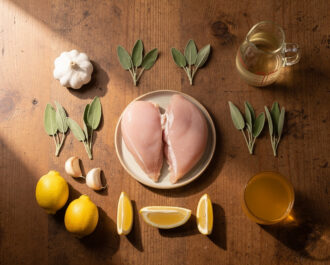
In a large bowl, whisk together 4 cups warm water, 1 tablespoon kosher salt, and 1 teaspoon sugar until dissolved. Submerge the 4 boneless, skinless chicken breasts and let sit for 15 minutes (this quick brine seasons the meat and helps it retain moisture). Meanwhile, pat the sage leaves dry, smash the 2 garlic cloves, and measure out your 1/2 cup white wine, 1/2 cup chicken broth, 2 tablespoons butter, and 1 tablespoon lemon juice. After brining, remove the chicken, pat it very dry with paper towels, and season both sides with black pepper.
- Sear the Chicken & Sage
Heat 2 tablespoons olive oil in a large skillet over medium-high heat until shimmering. Add the chicken breasts and cook undisturbed for 5-6 minutes, until a deep golden-brown crust forms on the first side. Flip the chicken, reduce heat to medium, and add the 8 sage leaves and 2 smashed garlic cloves to the oil. Cook for 1 minute until the sage is crisp and the garlic is fragrant, then transfer the chicken to a plate.
- Deglaze and Build the Pan Sauce
With the skillet still over medium heat, pour in the 1/2 cup white wine. Use a wooden spoon to scrape up any browned bits (the fond) from the bottom of the pan—this is pure flavor. Let the wine simmer and reduce by half, about 2-3 minutes. Stir in the 1/2 cup chicken broth and bring to a gentle simmer.
- Finish Cooking & Create the Sauce
Return the chicken breasts and any accumulated juices to the skillet, nestling them into the simmering sauce. Reduce heat to medium-low, cover, and let cook for 5-7 minutes, or until the internal temperature reaches 165°F. Transfer the cooked chicken to a cutting board to rest. Increase the heat under the skillet to medium-high and let the sauce bubble vigorously for 2-3 minutes to reduce and slightly thicken. Remove from heat, whisk in the 2 tablespoons butter and 1 tablespoon lemon juice until the sauce is glossy and emulsified. Taste and adjust seasoning with salt and pepper if needed.
- Serve
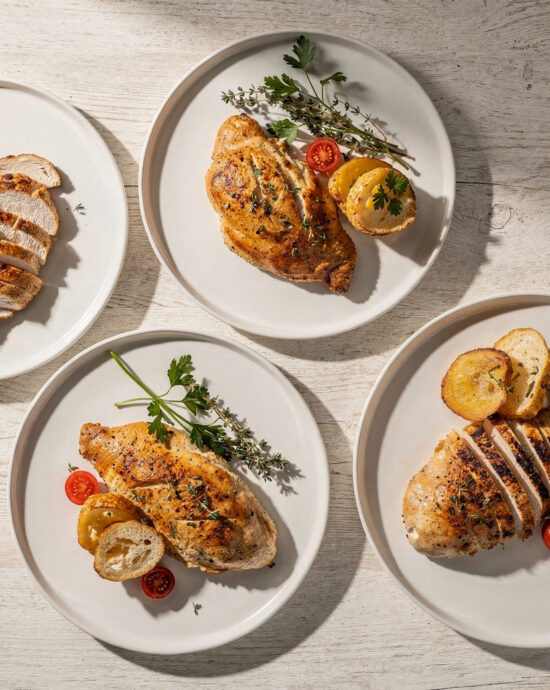
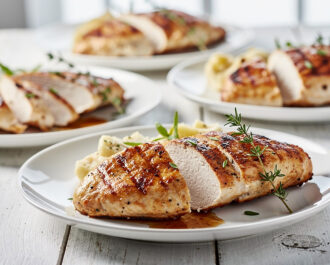
Slice the rested chicken breasts against the grain. Spoon the warm pan sauce over the sliced chicken, topping with the crispy sage leaves from the pan. Serve immediately with your chosen sides to soak up every last drop of the flavorful sauce.
- Calories:280 kcal
- Protein:36 g
- Carbohydrates:3 g
- Sugar:1 g
- Salt:1.2 g
- Energy:1170 kJ
- Fat:12 g
Let’s be honest. Even the most enthusiastic cook can hit a wall staring at a package of boneless chicken breast recipes, fearing the inevitable slide into dry, boring territory. I know I have. But then I discovered this little skillet trick—a method so simple it feels like a secret handshake among home cooks who crave juicy, flavorful results every single time. It transformed my weeknight dinners, and it’s the heart of why I love sharing this particular approach to boneless chicken breast recipes.
Why This Boneless Chicken Breast Recipes Works So Well
This dish has no legendary origin story, unless you count my desperate Tuesday-night fridge forage as legendary. It’s a pure product of practical kitchen wisdom, borrowing a French technique (pan-searing and finishing with a pan sauce) and making it utterly approachable. What makes it special is the texture: a crackly, golden-herbed crust that gives way to impossibly tender, moist meat inside. The “secret” isn’t a secret ingredient, but a sequence. A quick brine ensures juiciness, a hard sear creates flavor, and a gentle finish in a simple, reduced sauce makes everything sing.
Your Can’t-Miss Culinary Command
Here’s the one pro-tip that will elevate your results from good to restaurant-great: let your chicken come to room temperature for 15-20 minutes before cooking. I used to pull it straight from the fridge, which meant the outside was overcooked by the time the chilly center was done. Taking the chill off ensures even cooking from edge to core, so you get that perfect sear without sacrificing a single drop of moisture inside. Trust me, this small step is a game-changer.
Serving & Pairing Your Chicken Creation
Think beyond the basic steamed veg. This chicken, with its fragrant sage and white wine pan sauce, begs for something to soak up those glorious juices. I’m partial to a mound of creamy, buttery polenta or a heap of roasted fingerling potatoes. For a brighter side, a shaved fennel and apple salad with a lemon vinaigrette cuts the richness beautifully. As for a drink? A crisp, unoaked Chardonnay or a light Pinot Noir mirrors the dish’s elegant simplicity. For a non-alcoholic option, sparkling water with a twist of lemon and a sprig of thyme is perfection.
Make It Your Own: Variations & Substitutions
The beauty of this foundational method is its flexibility. Out of fresh sage? Thyme or rosemary work wonders. For a dairy-free version, swap the butter for a high-quality olive oil to finish the sauce. Want a bolder kick? Add a teaspoon of grainy mustard or a splash of heavy cream to the pan sauce at the end for a different kind of richness. You can explore more foundational techniques for dishes like this at Serious Eats.
Make-Ahead & Storage: The quick brine step can be done up to 2 hours ahead; just keep the chicken refrigerated until you’re ready to cook. Leftovers keep beautifully for 3-4 days in the fridge and reheat gently in a covered skillet with a splash of water or broth. You can even slice the cooled chicken and add it to salads or grain bowls for next-day lunches.
Frequently Asked Questions
Can I use chicken thighs instead? Absolutely. They’re more forgiving, but you may need to adjust cooking time slightly as they have more fat. The technique remains the same.
What if I don’t have a meat thermometer? No thermometer? Press the chicken gently with your finger. It should feel firm yet springy, and the juices should run clear, not pink, when pierced.
My sauce is too thin. How do I thicken it? Let it simmer a bit longer to reduce further. Alternatively, you can create a quick slurry by mixing a teaspoon of cornstarch with a tablespoon of cold water and whisking it into the simmering sauce.
So, next time you find yourself pondering what to do with that pack of boneless, skinless chicken breasts, remember this method. It’s a reliable path to a dinner that feels both special and simple. Now, go warm up your skillet. I can’t wait to hear how it turns out for you in the comments!