
- Prepare the Ingredients

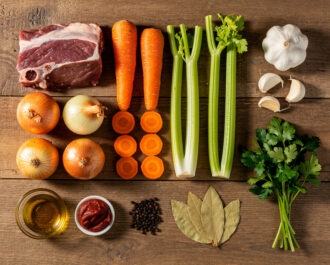
Preheat your oven to 425°F (220°C). Pat the beef bones dry with paper towels. Quarter the onion, cut the carrots and celery into large chunks, and smash the garlic cloves.
- Roast the Bones and Vegetables
Toss the bones, onion, carrots, celery, and garlic with the olive oil on a large, rimmed baking sheet. Roast for 45-50 minutes, turning halfway through, until deeply browned and fragrant.
- Deglaze and Simmer
Transfer everything from the baking sheet to a large stockpot. Add the tomato paste to the hot baking sheet with a splash of water, scraping up the browned bits, and add this fond to the pot. Add peppercorns, bay leaves, parsley stems, and cold water. Bring to a boil, then reduce to a very gentle simmer.
- Skim and Strain
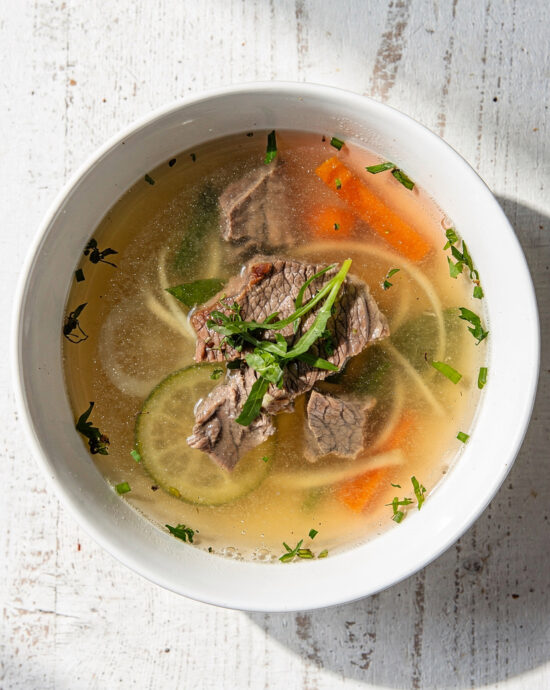
Simmer uncovered for 4 hours, skimming off any foam that rises to the top in the first 30 minutes. Remove from heat, let cool slightly, then strain the liquid through a fine-mesh sieve into a large bowl, discarding the solids. Season the finished broth with salt to taste.

- Calories:90 kcal
- Protein:8 g
- Carbohydrates:5 g
- Sugar:2 g
- Salt:0.3 g
- Energy:377 kJ
- Fat:4 g
There’s a quiet, savory magic to a homemade beef broth for vegetable soup that the boxed stuff can’t replicate. It’s the difference between a quick fix and a soul-warming meal you’ll remember on a cold day. This deep, rich foundation is what separates a forgettable pot of boiled veggies from a soup that feels like a hug in a bowl. Let’s build that flavor from the ground up.
The Story Behind This Beef Broth for Vegetable Soup
This recipe is a love letter to the thrifty, resourceful cooks who knew how to coax flavor from a bare-bones cut of meat and a few hours on the stove. It’s rooted in the tradition of turning economical ingredients into something luxurious and nourishing. I’m not aiming for a crystal-clear consommé; I’m after a pot of liquid comfort with a deep, roasted backbone and a hint of aromatic sweetness.
Why This Foundation Makes a Superior Soup
The secret is in the double-duty roasting. We caramelize both the beef bones and the aromatic vegetables before they ever hit the water. This creates a Maillard reaction powerhouse, infusing the liquid with layers of flavor you simply can’t get from simmering alone. The result is a broth that’s deeply savory with a subtle, sweet underpinning from the roasted carrots and onions.
Your Pro-Tip for a Flawless Broth
Don’t rush the skimming process. During the first 30-45 minutes of simmering, cloudy impurities (coagulated proteins) will rise to the surface. Use a large spoon to gently skim these off. A clear start leads to a cleaner-tasting, more refined final product, even if it’s destined for a chunky soup.
How to Serve & Pair Your Homemade Broth
Of course, this elixir is the star for your next pot of vegetable soup. But don’t stop there! It makes an incredible base for French onion soup, a flavorful cooking liquid for grains like barley or farro, or simply sip it warm from a mug with a pinch of sea salt. Pair it with a crusty loaf of sourdough for dipping heaven, or a crisp, green salad with a sharp vinaigrette to cut through the richness.
Variations & Dietary Swaps
Need a richer, beefier flavor? Use more marrow bones or add a pound of inexpensive beef shank to the pot. For a lighter profile, substitute half the water with low-sodium chicken broth. If you’re avoiding added sugar, you can omit the tomato paste; the roasted veggies will still bring plenty of natural sweetness. Feel free to use up any hardy herb stems you have—rosemary, thyme, parsley—instead of the bay leaves.
Make-Ahead and Storage Genius
This condiment is a meal-prepper’s dream. Cool it completely, then freeze it in 1-cup or 2-cup portions in sealed freezer bags or containers. Laying the bags flat saves space. It keeps beautifully for up to 3 months. You can even reduce it by half after straining to create a super-concentrated “broth cube” for instant flavor.
Frequently Asked Questions
Can I make this in a slow cooker or Instant Pot?
Absolutely. For a pressure cooker, use the sauté function to brown the ingredients, then add water only to the max fill line. Pressure cook on high for 2 hours, then natural release. For a slow cooker, brown the ingredients in a skillet first for best flavor, then cook on low for 8-10 hours.
My broth is cloudy. Did I do something wrong?
Not at all! A cloudy broth often means you had a vigorous boil, which emulsifies some of the fat and gelatin into the liquid. This can create a wonderfully rich mouthfeel perfect for a hearty vegetable soup. If you prefer it clearer, keep the heat at a bare simmer and avoid stirring.
What’s the best cut of meat to use?
You want bones with some connective tissue and a bit of meat still attached, like beef shank, oxtail, or short ribs. These release collagen as they simmer, giving the liquid body and a silky texture.
So, gather your bones and your patience. The reward for those few hours of gentle simmering is a pot of liquid gold that will transform your cooking. I promise, once you taste the difference this foundation makes, you’ll be hooked. Let me know how your soup turns out!